
Winters in Toronto & GTA are no joke. Ice builds up, snowbanks creep higher, and your mornings start with a shovel in hand. Imagine stepping outside to a clear, dry driveway—even after an overnight storm. That’s what a heated driveway delivers: no scraping, no salt, no early-morning backache. At OAKS, we design and build dependable driveway heating systems that look great, work quietly, and keep your home safe and accessible all season long.
You get a snow-melting driveway system tailored to your property, installed by experienced contractors who handle the entire heated driveway installation—from design to final finish. Whether you prefer electric cables or hydronic tubing, asphalt or concrete, we’ll recommend the right option for your budget, energy source, and driveway size. We also install heated sidewalks and walkways for full-property safety.

What Is a Heated Driveway System?

A radiant heating driveway system warms the surface from below to melt snow and prevent ice formation. Heat is delivered through either electric heating cables or a hydronic system. Both systems are built under your pavement—asphalt, concrete, or interlocking stone—so the look of your driveway stays clean and modern.
It’s cleaner for your Ontario property, better for your landscaping, friendlier to pets and footwear, and far less corrosive than road salt on vehicles and garage floors.

Read our reviews on Google and Homestars

Our Heated Driveway Gallery

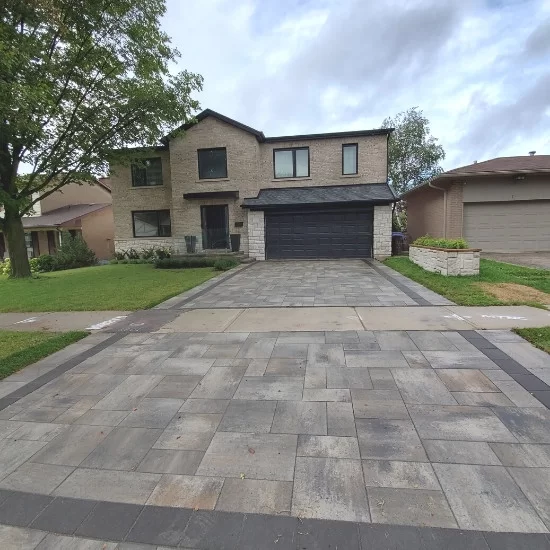
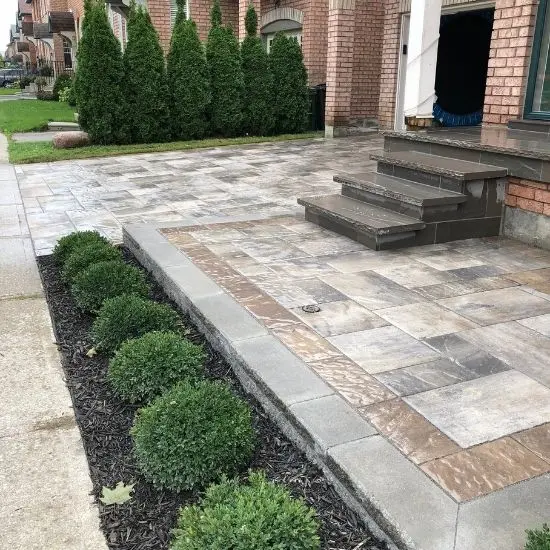
Explore examples of our recent work. These projects demonstrate the transformation possible through skilled heated driveway contractors.
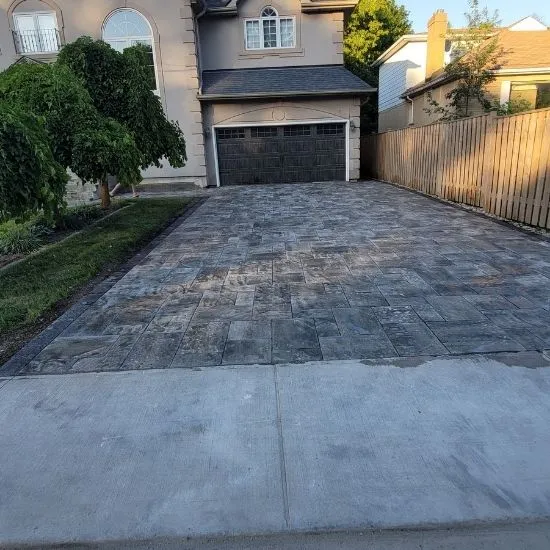
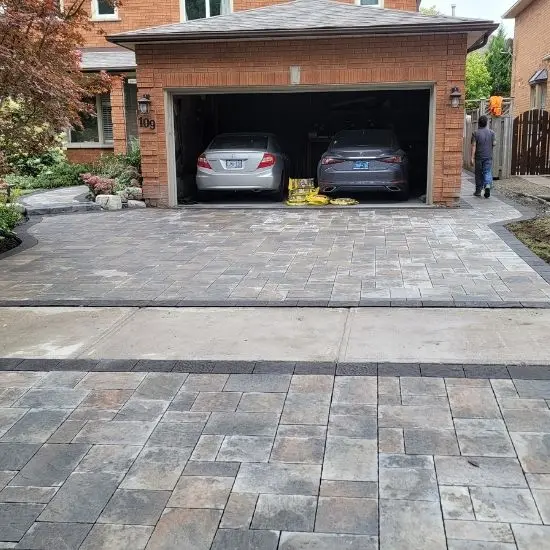
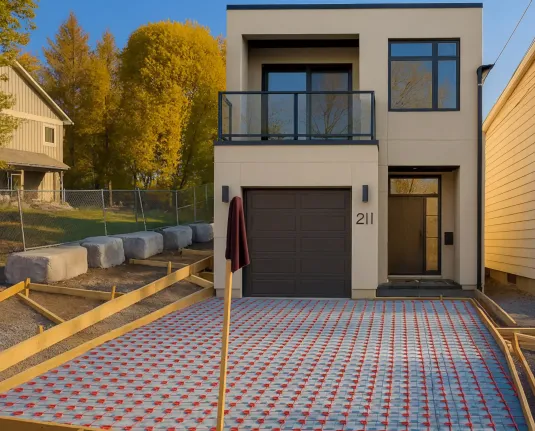
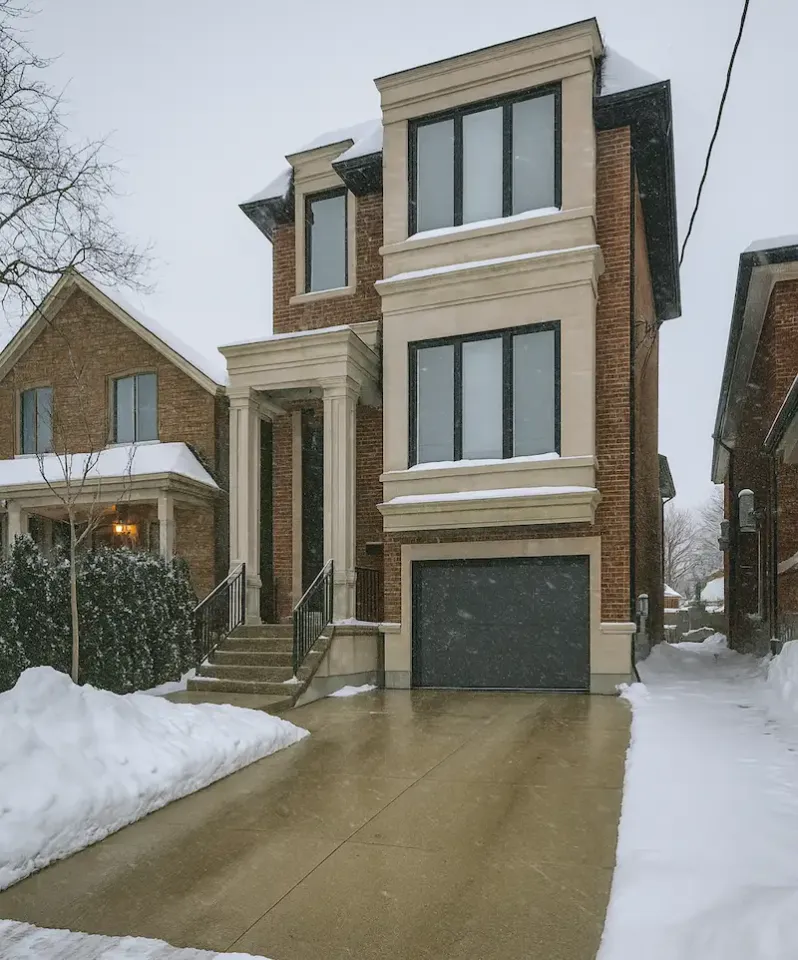
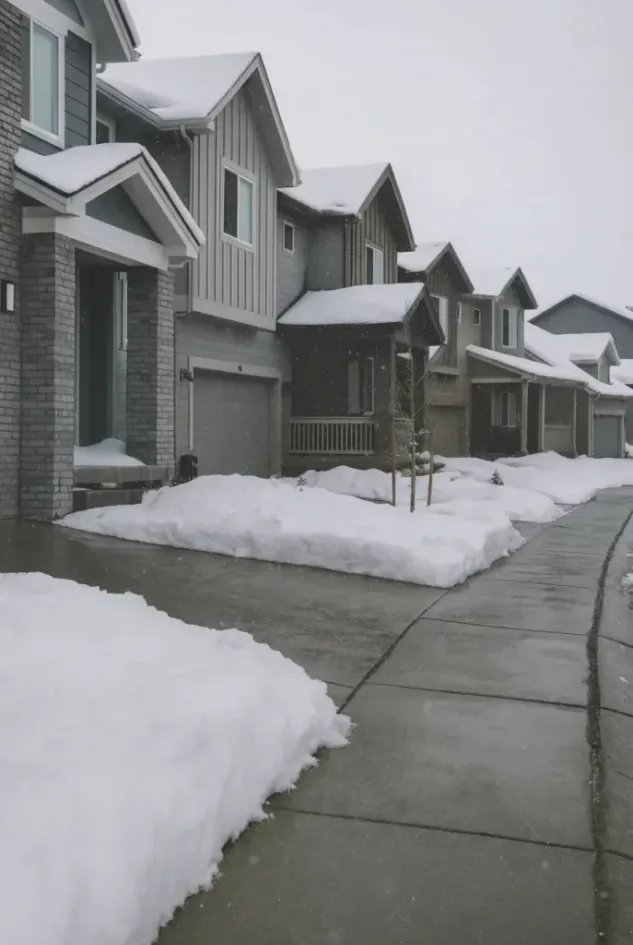
Snow-melting system keeping asphalt drive clear, image by oakshs.ca

Benefits of a Heated Driveway

✔ Safety first: Reduced slips and falls for family and guests. Clearer visibility when backing out.

✔ True convenience: Spend your time driving—not digging.

✔ Property protection: Less freeze–thaw damage and fewer cracks in heated pavement and steps.

✔ Clean appearance: No salt stains, no piled snow along the edges, and a consistently neat curb appeal.

✔ Durable build: Systems are engineered to last for many long winters with proper installation and controls.

✔ Value: When you weigh effort, salt, equipment, and potential injury, many homeowners decide it’s absolutely worth it.
How Does a Heated Driveway Work?

All systems follow one simple idea: warm the surface from below so snow can’t bond and slush drains away before it refreezes.

Many snow-melting systems can be operated manually via Wi-Fi/remote controls, allowing you to start heating before or during a snowfall.

Electric setups heat the cables; hydronic setups fire the boiler and circulate warm glycol through PEX tubing.

Heat moves up through the base and melts snow at the surface.

You control runtime—run it steadily during a storm or in short bursts to maintain a clear, safe driveway while managing electricity or natural gas use.

When the surface is clear and runoff has drained, you switch the system off with the remote.

This hands-on approach gives you full control over comfort and energy use.

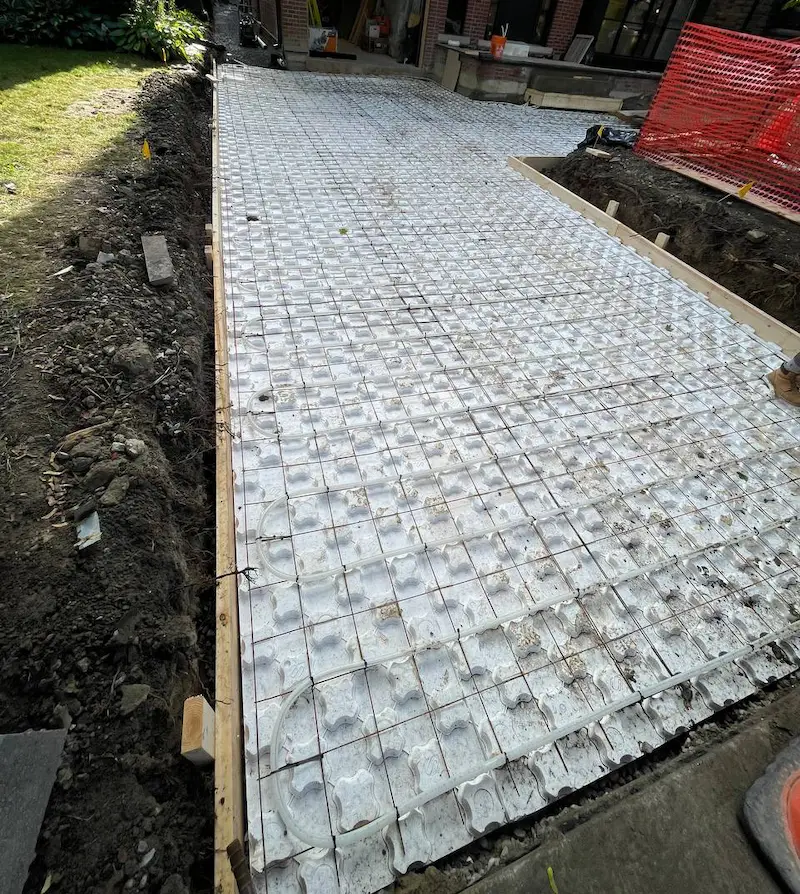
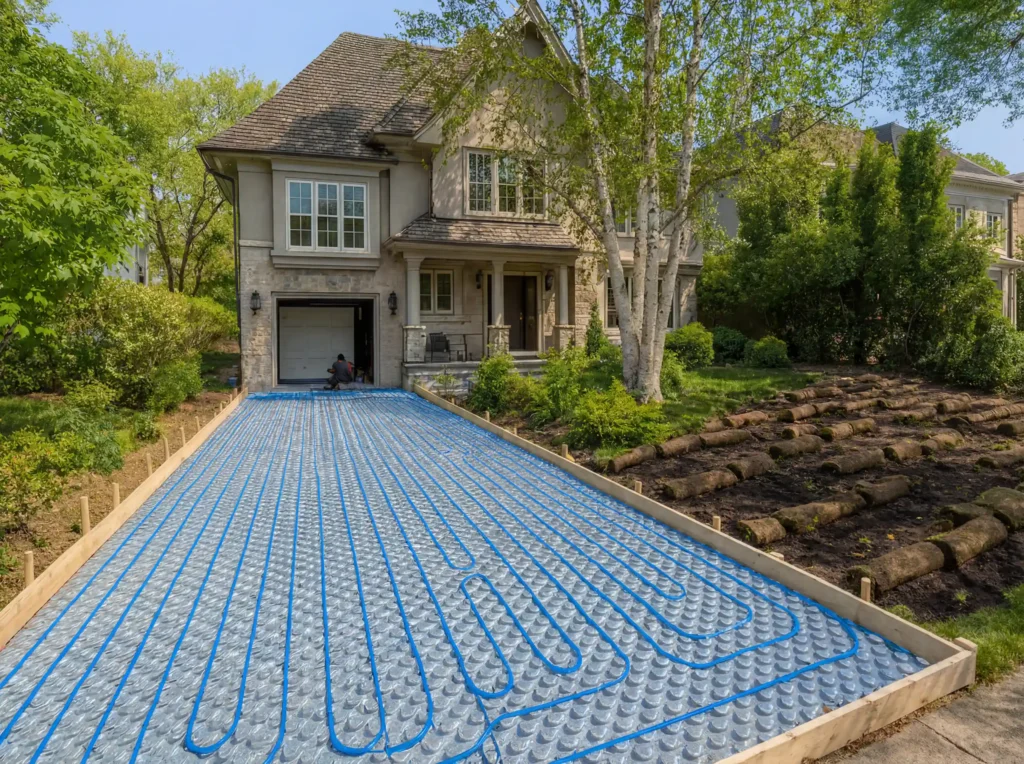
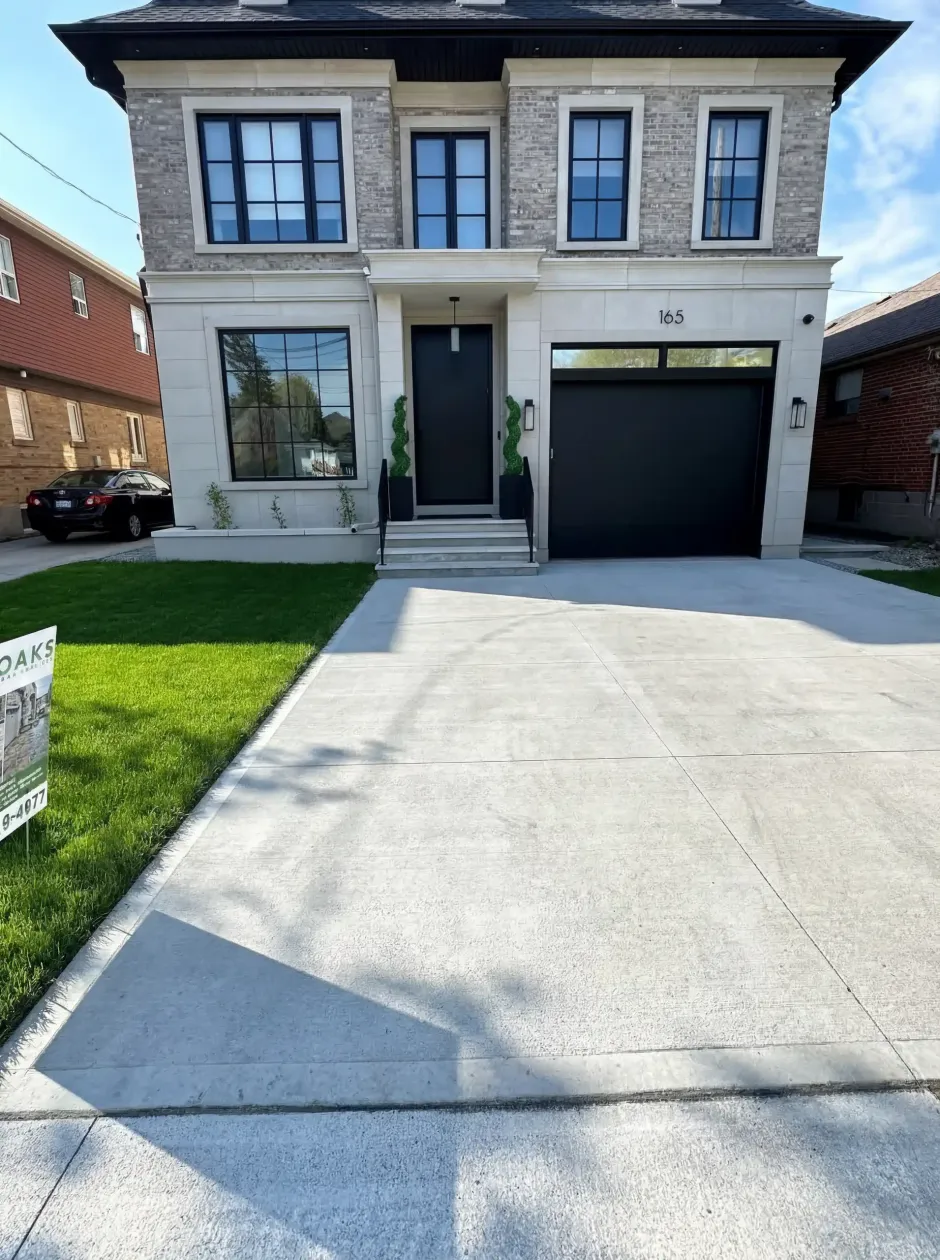
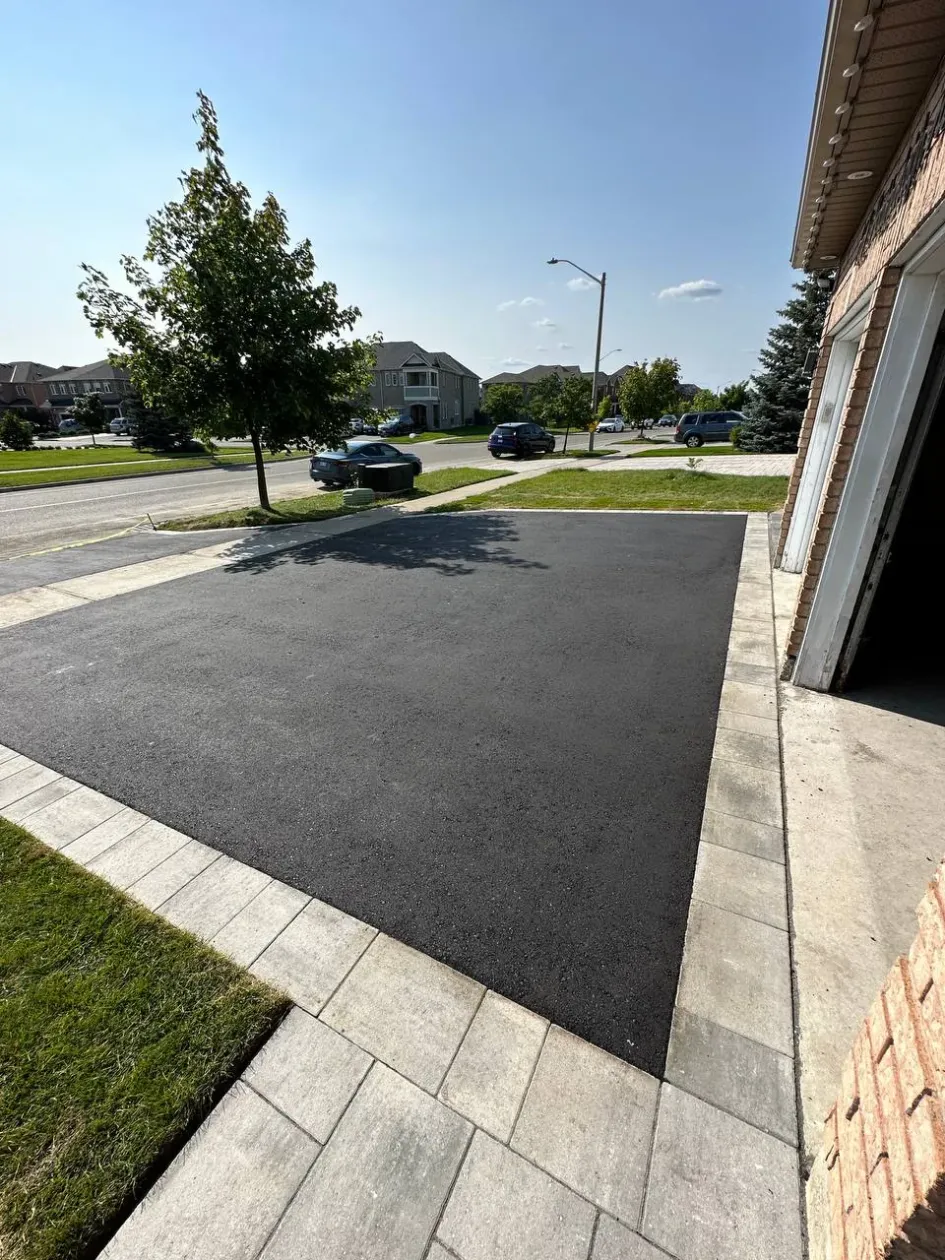
Heated driveway hydronic system installation, image by oakshs.ca

Types of Heated Driveways We Install

We build heated driveway solutions for new driveways, resurfacing projects, and even selective retrofits. Here are details about your core options.

Electric Driveway Heating

Electric systems use insulated heating cables placed in a pattern under the surface. They’re ideal when you want a straightforward design, fewer mechanical parts, and flexible zoning.

Fast response times and simple controls.

Great for medium-sized driveways and targeted areas like ramps or aprons.

Minimal maintenance—no boiler, pumps, or fluids.

Often, the best pick for properties without natural gas access.

Electric systems install cleanly under asphalt or concrete, making them ideal for paths and driveways.

Hydronic Driveway Heating

Hydronic systems circulate a warm glycol solution through durable PEX tubing below the surface. Heat is produced by a compact boiler using natural gas, propane, or other sources (including geothermal in some designs).

Excellent for large areas or complex layouts.

Highly scalable with efficient heat sources.

PEX tubing has a long service life when installed correctly.

Easy to integrate with natural gas-heated driveway setups or alternative energy.

Asphalt Driveway Heating

If you’re paving in asphalt or rebuilding, we can embed electric cables or PEX loops within the asphalt lift for strong heat transfer and a smooth finish.

Seamless look and great traction.

Often, quicker to install during repaving.

Works with both heated asphalt driveways (electric or hydronic) and heated asphalt driveway upgrades.

Concrete Driveway Heating

Concrete is an excellent heat conductor and pairs beautifully with both electric cable mats and hydronic tubing.

Clean, modern look with strong snow-melting performance.

Ideal for pads, ramps, and garages with frequent vehicle traffic.

Supports decorative finishes while hiding the heat below.

Driveway Heating Under Pavers

Prefer interlocking stone? We can install heating elements beneath your pavers with proper insulation and bedding to preserve pattern stability and even heat.

Premium curb appeal with practical winter performance.

Replace individual stones if needed without disturbing the system.

Great for walkways and heated sidewalks for full-property access.

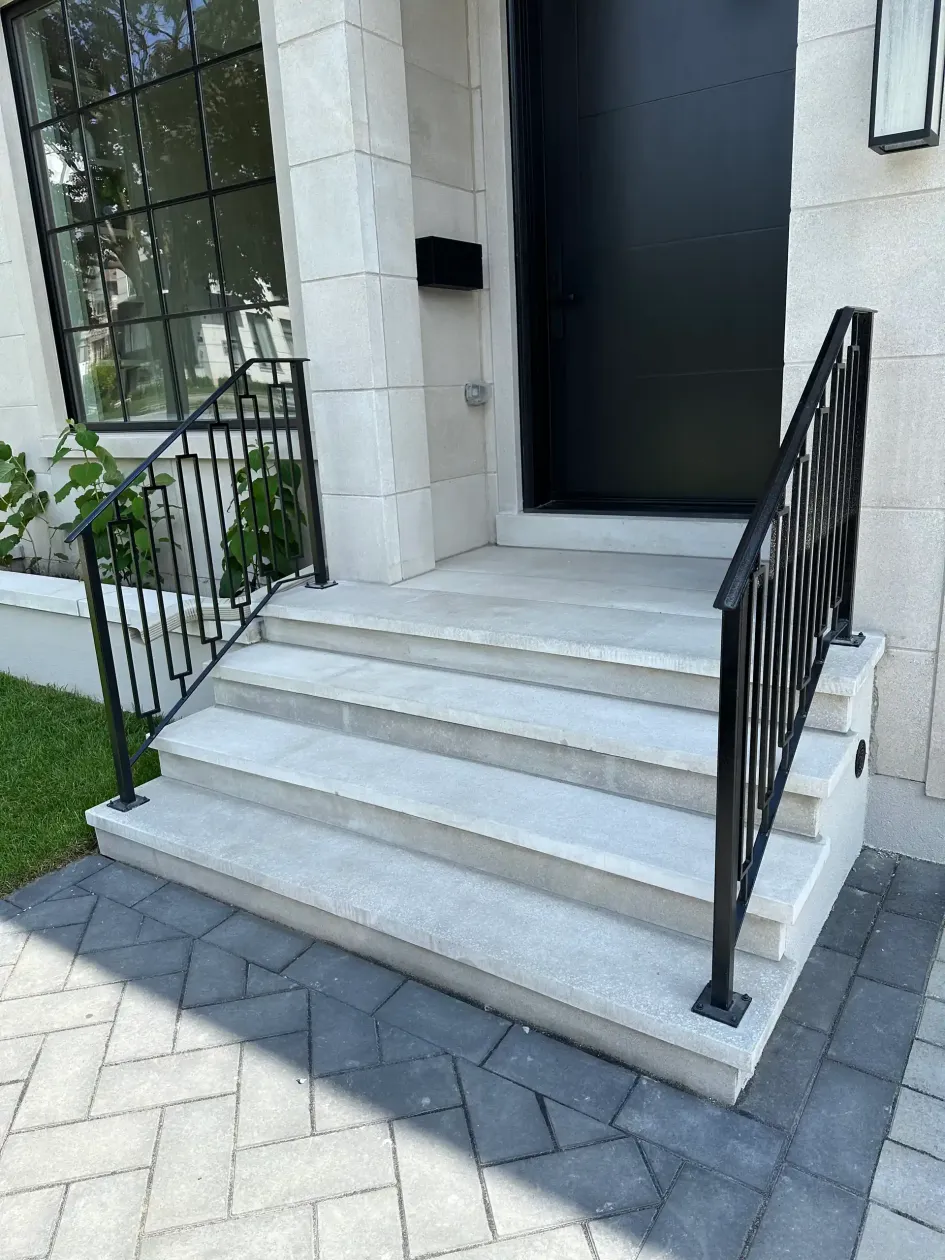
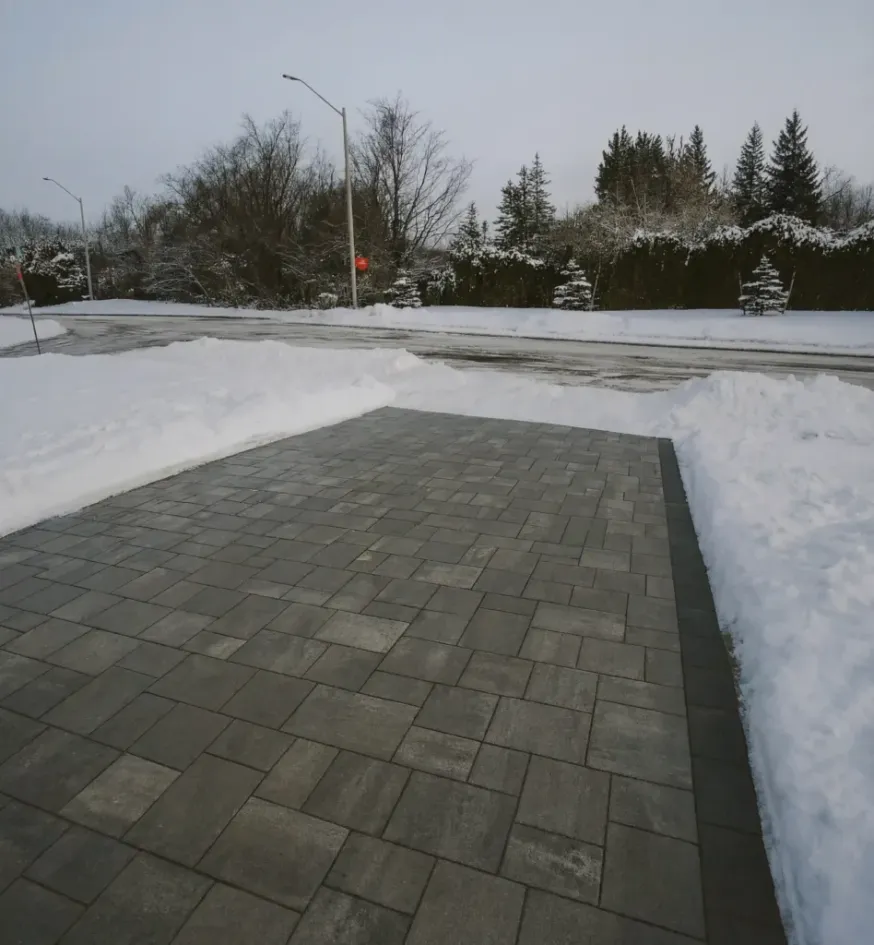
Heated driveway cost example with smooth entry, image by oakshs.ca

Heated Driveway Installation Process

Step 1: Planning & Design

We measure the area (sq. ft.), discuss slopes and drainage, confirm the availability of nearby power or gas, and choose zones. Then we compare options—electric vs hydronic, asphalt vs concrete vs pavers—against your budget, energy preferences, and timeline. You’ll receive a clear estimate that outlines the heated driveway price and schedule for your Toronto-area home.

Step 2: Preparation & Excavation

We remove old pavement if needed, repair base issues, and ensure proper drainage so meltwater flows away from the house. Proper base prep is crucial for longevity—no shortcuts.

Step 3: System & Insulation

We add insulation where appropriate to push heat upward, not down into the ground. Then we lay out either electric cables/mats or hydronic PEX tubing in engineered patterns for even coverage and efficient melting.

Step 4: Wiring & Testing

For electric systems, we run dedicated circuits, set controls, and verify operation. For hydronic, we install the boiler, pumps, manifolds, and safety components. Everything is pressure-tested and commissioned before covering.

Step 5: Surfacing & Finish

We place and finish your chosen surface—asphalt, concrete, or interlocking pavers—with attention to expansion joints and transitions. Final commissioning can enable either manual operation (timer/Wi-Fi control) or optional automatic start via temperature- and moisture-sensors—whichever you choose.

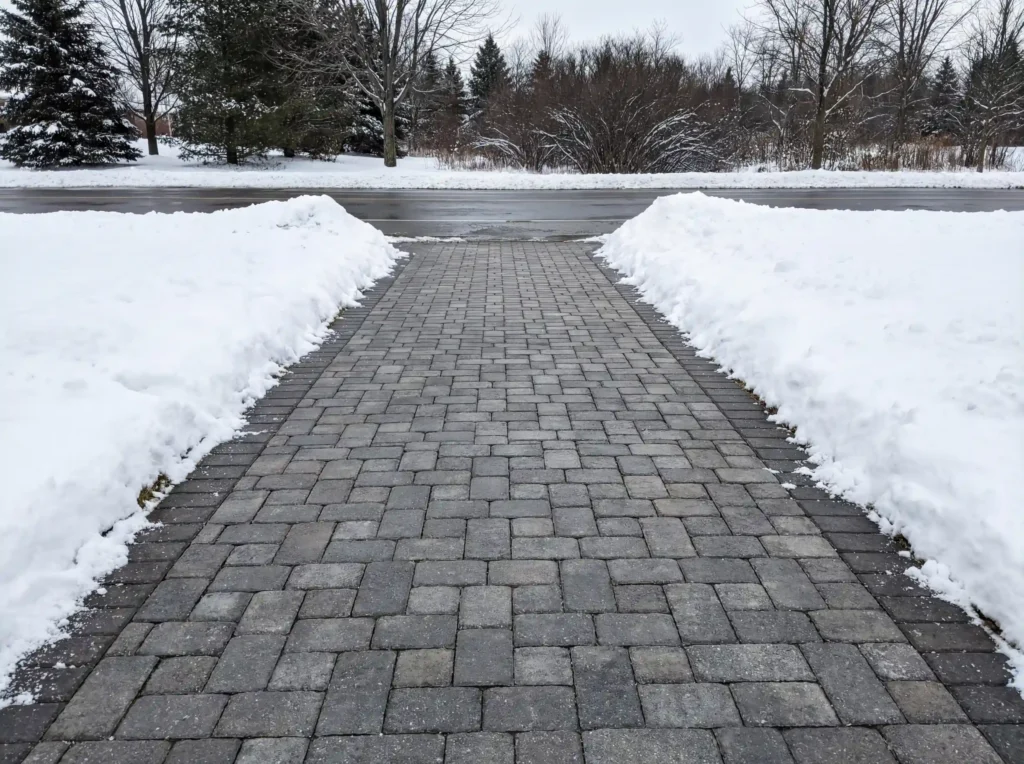
Hydronic heated driveway showing clear lanes in snow, image by oakshs.ca
"Tim and Yuri have provided excellent craftsmanship and high quality service. Their team recently completed my two driveways with interlocking stone. This is our second time using their company and we would highly recommend them to anyone interested in similar projects. Thanks for a job well done!”
Derrick M.
"Tim and his team were extremely polite, professional and trustworthy. They worked long days to get the job done and consulted with me on my preferences all throughout the process. We are very happy with the quality of their work and they left the worksite clean. I would definitely hire Oaks again and will recommend them to friends and neighbours.”
Ken B.
"Tim, Uri and their team were exceptional guys to work with. They were hired to replace curbs, front entry ways stairs and pathway to the backyard. They were punctual and the most hardworking people I have come across .I would not hesitate to hire them again. If you hire these guys you will not be sorry .”
Anne-Marie A.

Operating Costs: Is a Heated Driveway Worth It?

Let’s talk numbers and comfort. A clear, ice-free driveway has direct benefits—fewer injuries, less property damage, better vehicle traction, and no 5 a.m. shovel sessions. Upfront costs are typically lower for electric and higher for hydronic; for large areas, hydronic can have a lower operating cost when fired by natural gas, but results vary by energy rates and design. We provide a realistic estimate of heated driveway cost per month based on your chosen systems, controls, and driveway layout.

If you often pay for third-party snow removal, buy salt by the pallet, or have a steep grade that’s hazardous, a heated driveway can quickly feel like the best decision you’ve made for daily life. Many of our clients in Canada say the comfort and safety return outweigh the ongoing energy use—especially with smart sensors.

Maintenance & Repairs

Radiant systems are low-maintenance by design. Hydronic set-ups benefit from periodic checks on fluid levels, pumps, and boiler efficiency. Electric systems have very few moving parts. If you ever need heated driveway repair—sensor replacement, control upgrades, or surface work—we’re your local installers and service team. We also service heated sidewalks and steps for full-property coverage.

Why Choose Us for Driveway Heating Installation

1. Local expertise: We work across Toronto, GTA, and Ontario, so we design for the exact winter conditions you face.

2. Full-service team: Designers, project managers, certified installers—everything in one place.

3. Quality materials: We use proven cables, PEX, sensors, and control systems from trusted companies with solid reviews.

4. Transparent pricing: We’ll walk you through the heated driveway cost, explain what’s expensive and what’s not, and show how choices affect your final price.

5. Versatile finishes: From concrete pads to asphalt and pavers, we deliver a surface you’ll love year-round.

6. Support & service: Need heated driveway repair, adjustments, or expansion later? We’re nearby, responsive, and ready to help.

OAKS designs and installs heated driveway solutions across Toronto & GTA—from compact urban pads to large suburban properties. We’ll compare electric and hydronic options, run through price differences, and align the design with your energy source (electricity, natural gas, or geothermal-assisted), finish choice (asphalt, concrete, pavers), and comfort goals.

Get a no-pressure estimate from trusted contractors and companies who build it right the first time. Ask us about targeted zones, installation timelines, and monthly operating cost. We’ll help you pick the radiant system that fits your home, budget, and winter routine.

Our Blogs

Frequently Asked Questions About Heated Driveway Installation

How much does a heated driveway cost?

It depends on system type, area (sq. ft.), surface, controls, and power/gas availability. We provide a detailed written estimate for your heated driveway cost after a site visit. Electric systems typically cost less to install but may cost more to run; hydronic can be higher upfront (think boiler, manifolds, and controls) but often lower to operate—especially on natural gas. If you’re pricing locally, you’ll likely find us competitive on heated driveway cost in Toronto, with a clear breakdown of materials, labour, and finish options. We’ll show you the drivers behind the heated driveway price so you can choose confidently.

How much energy does a heated driveway use?

Usage varies with winter severity, sensor settings, and whether you heat the full driveway or only key zones (like the near-garage apron). Electric systems draw electricity directly; hydronic systems burn fuel (often natural gas) to heat a glycol solution that circulates through PEX. Smart controls minimize runtime—activating only when snow or ice is present and temperatures are at risk.

How long do heated driveways last?

A well-designed radiant system has a long service life. Electric cables are sealed and durable; hydronic PEX tubing is built to last for decades inside the slab when properly installed. Surface longevity (asphalt, concrete, or pavers) follows normal maintenance schedules. Controls and sensors are replaceable components over time.

How quickly do heated driveway systems melt the snow?

Response time depends on outdoor temperature, wind, and which system you choose. In typical Toronto storms, you can switch the system on as snow begins, or, with optional sensors, it can start automatically. The goal is prevention—stopping bond formation so plowing, shovelling, or sweeping (if needed) is minimal.

Will melted snow refreeze into ice after the heated driveway shuts off?

Systems are designed to run long enough to remove meltwater before shutdown, and drainage is an integral part of our design plan. Proper slopes and sensor settings help prevent refreeze. For major cold snaps, you can manually extend runtime for extra safety. This is a key benefit over salting, as you aren’t left with brine that can still refreeze overnight.