

The Best Material for Your Driveway in 2023

Introduction to Driveway Materials

A driveway is a crucial part of any property, serving as the primary access point to your home or business. The best driveway materials can significantly enhance the curb appeal and overall value of your home. With a wide range of materials available, you should choose one that suits your needs, budget, and preferences. This article will explore the best material for driveways and provide insights to help you make an informed decision.

Factors to Consider When Choosing Driveway Materials

Before diving into the specific materials, let’s explore the factors you need to consider when selecting the ideal driveway material.

Climate

The climate in your area plays a significant role in determining the best material for your driveway. Some materials may not hold up well under extreme temperatures or heavy precipitation, leading to costly repairs and maintenance.

Budget

Your budget is another crucial factor when selecting a driveway material. Prices can vary significantly based on the material and installation costs. Make sure to choose an option that fits your budget without compromising on quality.

Maintenance Requirements

Different materials come with varying levels of maintenance needs. Understanding the maintenance requirements for each material will help you make a more informed decision and avoid unexpected costs down the road.

Aesthetics

Your driveway’s appearance can greatly influence the overall look and feel of your home. Consider how your choice of material will complement your home’s exterior and landscaping.
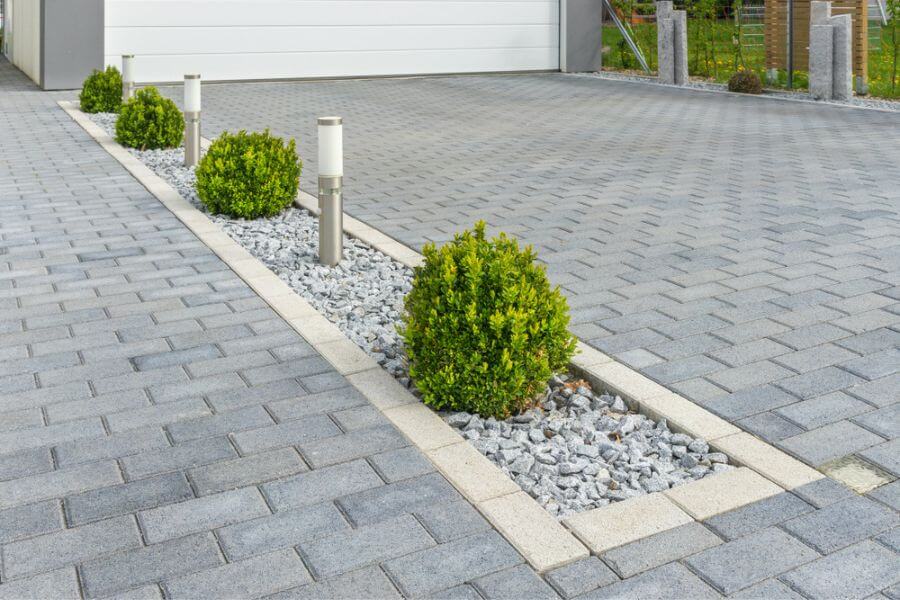
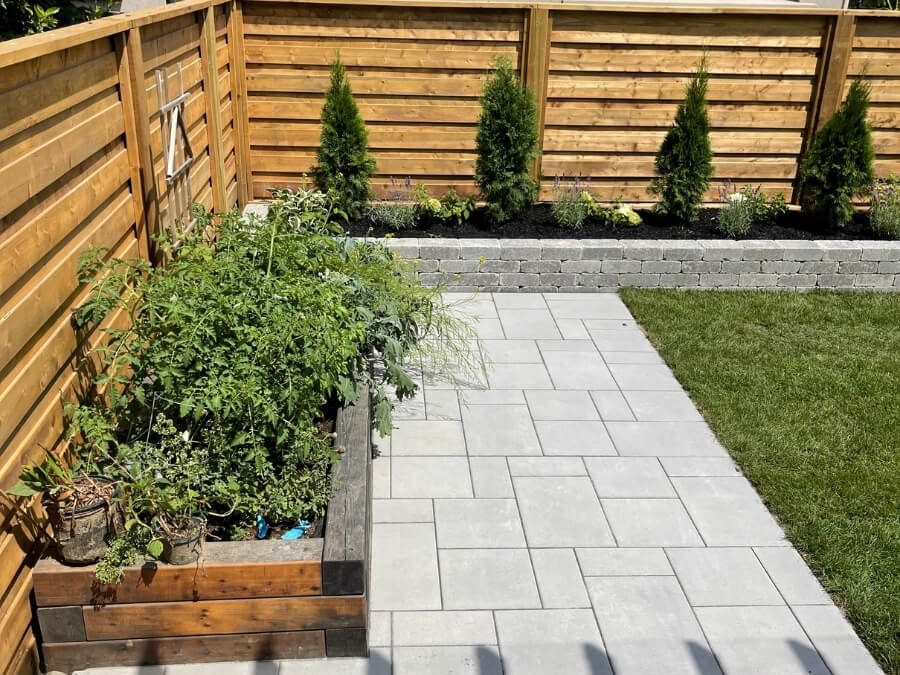
the best driveway materials 2023

Popular Driveway Materials

Let’s take a closer look at some popular driveway materials and their pros and cons.

Concrete

Concrete is a common driveway material due to its durability, longevity, and low maintenance requirements.

Pros of Concrete

  1. Long-lasting and durable
  2. Low maintenance
  3. Versatile design options (colours, patterns, etc.)

Cons of Concrete

  1. Susceptible to cracking in cold climates
  2. Can be expensive to install
  3. Stains easily

Asphalt

Asphalt is another popular material for driveways, primarily for its affordability and ease of installation.

Pros of Asphalt

  1. Affordable
  2. Quick installation
  3. Performs well in cold climates

Cons of Asphalt

  1. Requires regular maintenance (resealing)
  2. Less design versatility than concrete
  3. Not as environmentally friendly

Gravel

Gravel is an affordable and versatile option for driveways, particularly for rural properties or those with a more rustic aesthetic.

Pros of Gravel

  1. Affordable
  2. Easy to install and maintain
  3. Allows for natural drainage

Cons of Gravel

  1. May require regular regarding
  2. Not suitable for all climates (e.g., heavy snowfall)
  3. Can be difficult to remove snow and may cause dust issues

Pavers

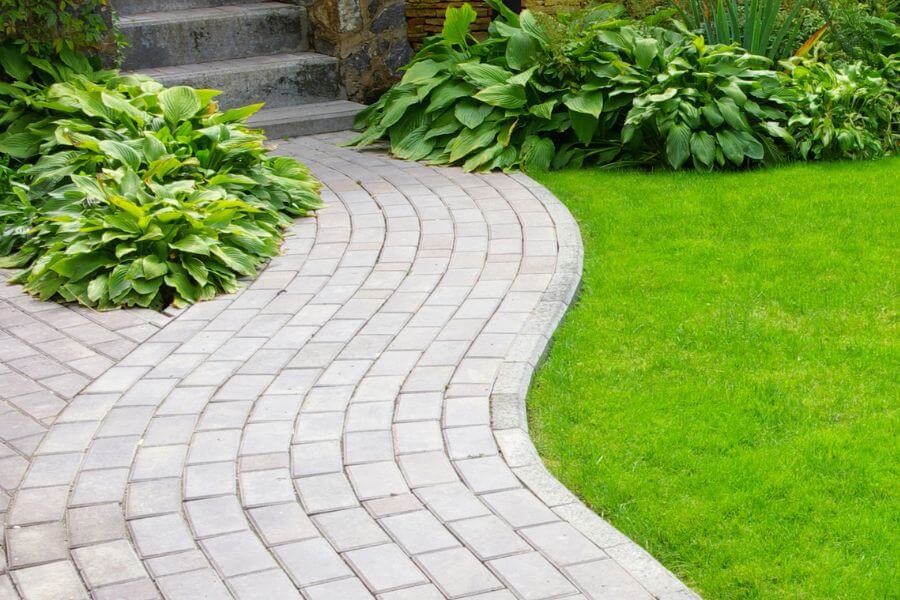
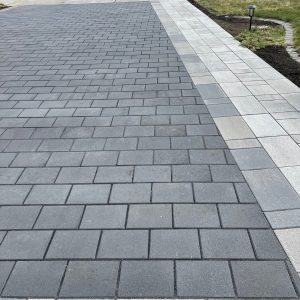
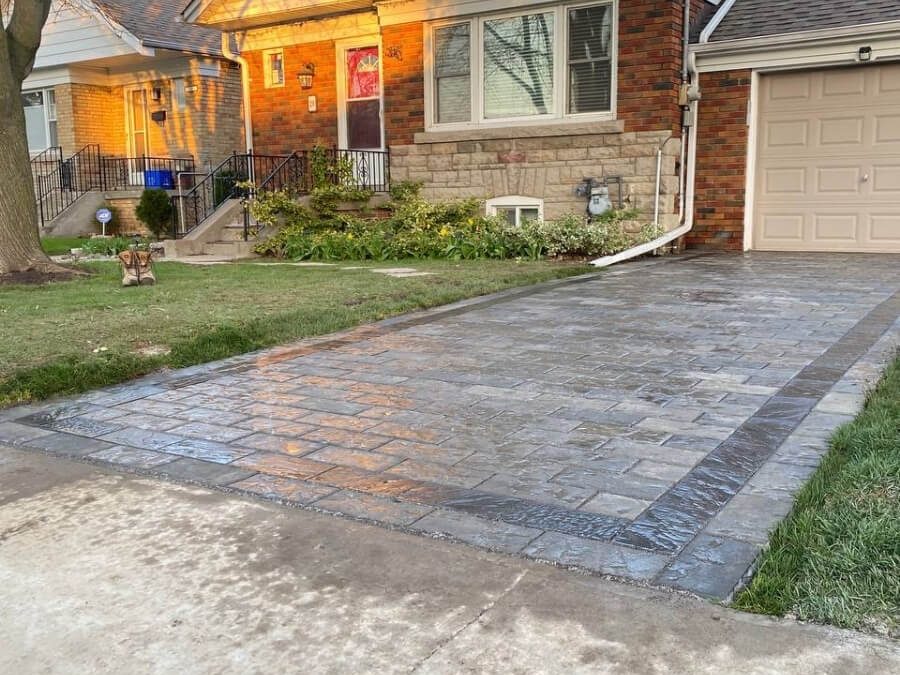
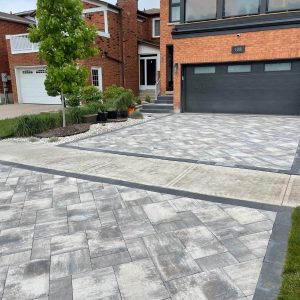
Interlocking pavers are a popular option for those looking to add a touch of elegance and customization to their driveway.

Pros of Pavers

  1. Wide variety of design options
  2. Easy to repair and replace individual pavers
  3. Can withstand freeze-thaw cycles

Cons of Pavers

  1. Higher installation cost
  2. Requires some maintenance (e.g., weed control)
  3. Can be prone to shifting or settling over time
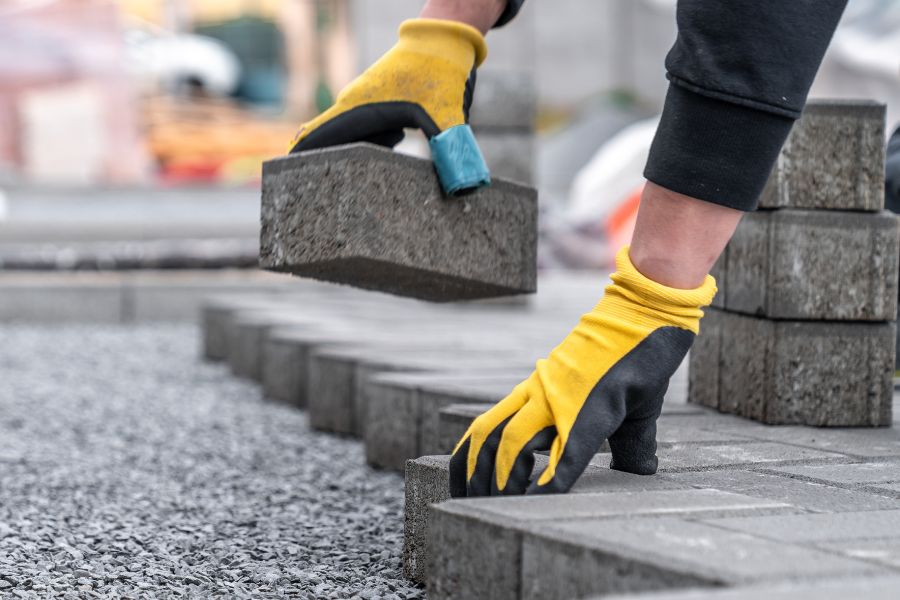
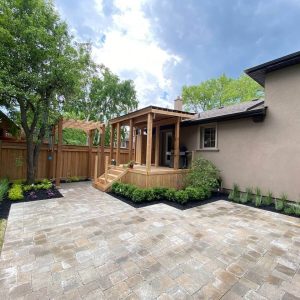
driveway interlocking materials

Comparing Driveway Materials

When comparing the best driveway materials, it’s essential to weigh the pros and cons of each option for your specific needs. Consider factors such as climate, budget, maintenance requirements, and aesthetics to determine the best material for your driveway.

Choosing the Best Material for Your Driveway

Ultimately, the best material for driveways will depend on your unique needs, preferences, and budget. By considering the factors mentioned above and weighing the pros and cons of each material, you can make a more informed decision that suits your specific requirements.

Conclusion

Selecting the best material for your driveway is an important decision that can significantly impact your property’s curb appeal, value, and functionality. By considering the various factors and understanding the pros and cons of popular driveway materials, you can make a well-informed choice that meets your needs and enhances your property. Oaks can help you get the driveway of your dreams by providing expert guidance and high-quality materials tailored to your specific requirements. Don’t hesitate to contact us today for an estimate and take the first step toward creating a beautiful and functional driveway that complements your home.
Different Types of Decks and What’s Best for You

If you’re looking to add some outdoor living space to your home, a deck is an excellent option. However, with so many different types of decks to choose from, it can be challenging to decide which one is best for your needs. In this article, we’ll take a look at the different types of decks available and help you determine which one is right for you. Oaks Home Services is a reputable deck contractor that can assist you in the construction of your dream deck.

A deck can be a wonderful addition to any home, providing a place to relax and enjoy the outdoors with family and friends. However, choosing the right type of deck can be a daunting task, as there are many different types to choose from. Some are made from wood, while others are made from composite materials or even aluminum. There are also different styles of decks, such as pool decks, multi-level decks, and rooftop decks, to name just a few.

Why Build a Deck?

Before we dive into the different types of decks available, it’s worth considering why you might want to build a deck in the first place. Some of the most common reasons include:

  • Creating additional outdoor living space
  • Increasing the value of your home
  • Enhancing your home’s curb appeal
  • Providing a place to entertain guests
  • Enjoying the great outdoors without leaving your property

Types of Decks

Let’s take a closer look at the different types of decks available:

wooden deck construction

Wood Decks

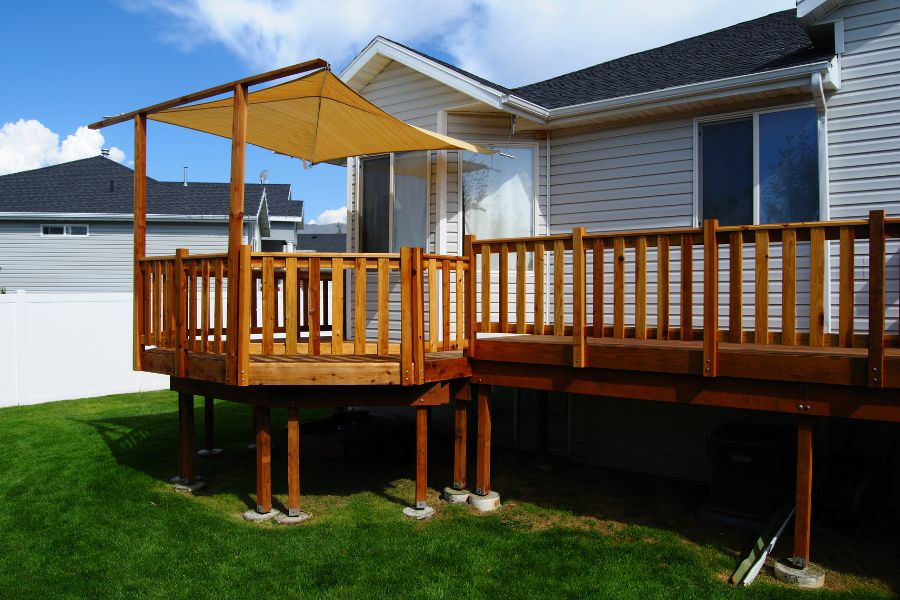
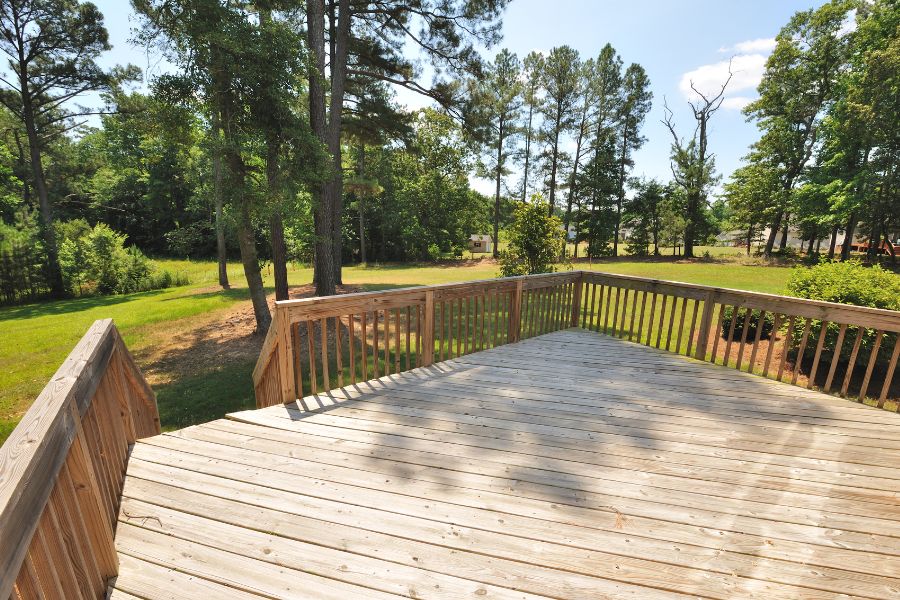
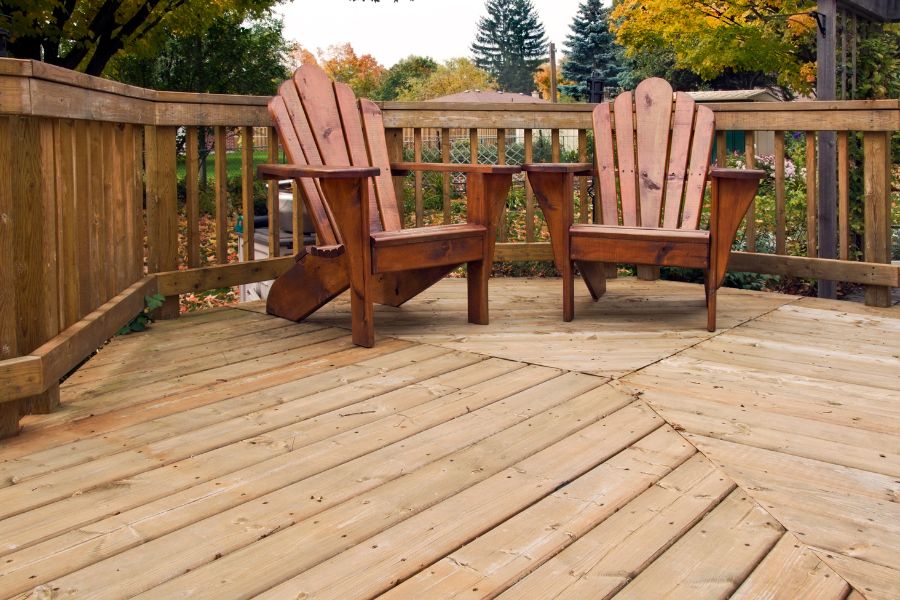
Wood decks are a classic choice for homeowners, as they offer a warm and natural look that can complement many different styles of homes. Cedar and redwood are popular choices for wood decks, as they are durable and resistant to rot and insects. However, wood decks do require regular maintenance, such as staining and sealing, to keep them looking their best.

ccomposite decks contracting

Composite Decks

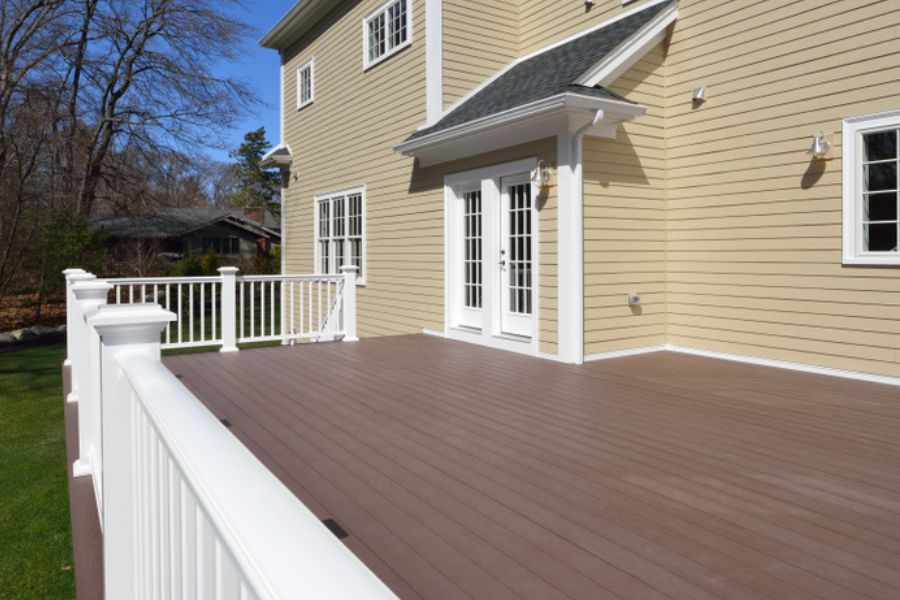
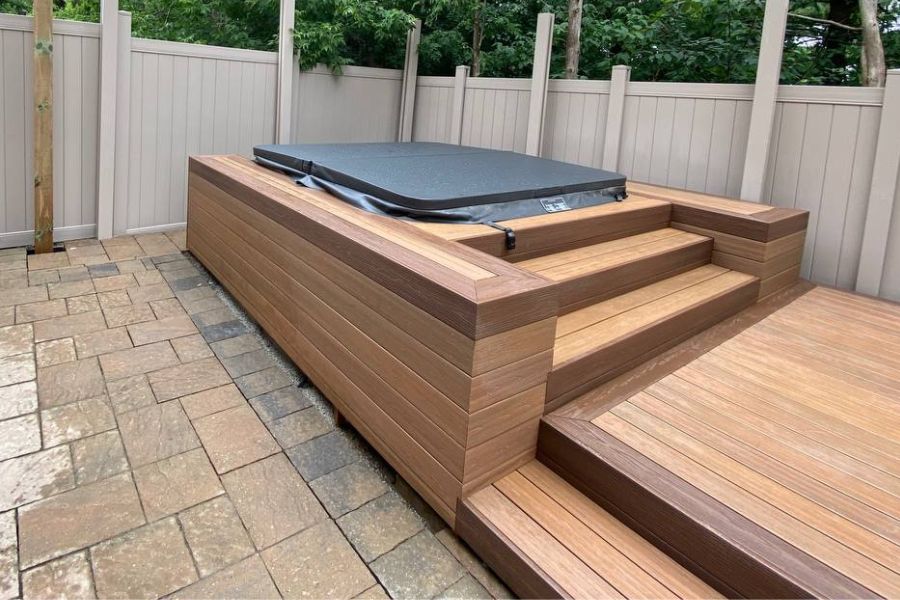
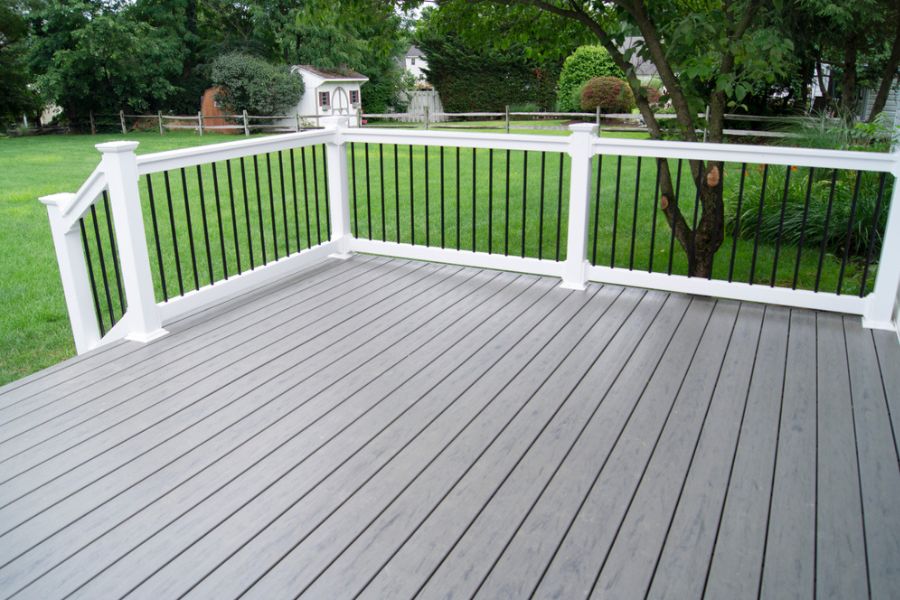
Composite decks are made from a blend of wood fibers and recycled plastic, giving them the look of wood without maintenance requirements. They are also resistant to rot and insects and can last for many years with minimal upkeep. However, composite decks can be more expensive than wood decks, and some homeowners may not like the synthetic look and feel of the materials. Check out a modern composite deck installation we did for one of our clients in Mississauga!

pool deck contractors

Pool Decks

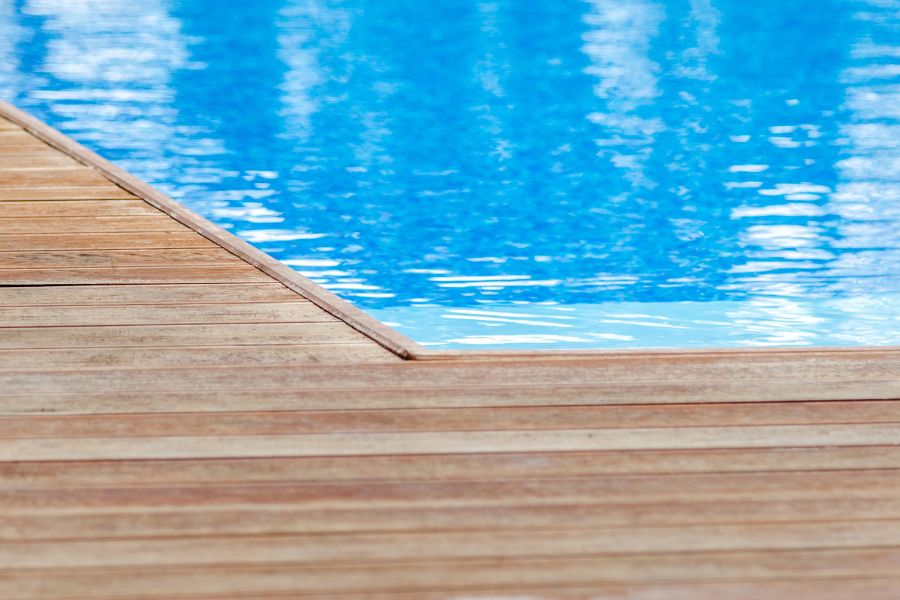
If you have a pool in your backyard, a pool deck can be a great addition. Pool decks are typically made from slip-resistant materials, such as concrete or composite decking, to prevent slips and falls. They can also be designed to complement the style of your pool and surrounding landscaping.

wrap around decks

Wraparound Decks

A wraparound deck is a great option for those who want to maximize their outdoor living space. These decks wrap around the entire perimeter of your home, providing plenty of room for entertaining and relaxation. They can be made from a variety of materials and can be designed to complement your home’s style.

Attached vs. Detached Decks

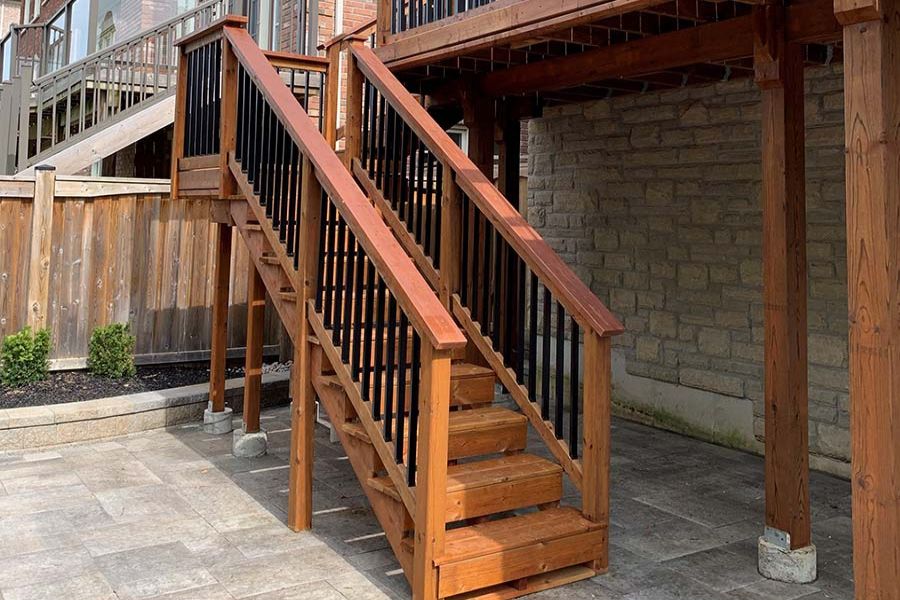
The attached decks are connected to your home and can provide a seamless transition from indoor to outdoor living space. Detached decks, on the other hand, are not attached to your home and can be placed anywhere on your property. The choice between attached and detached decks will depend on your personal preferences and the layout of your property.

attached decks vs detached decks

Platform Decks

Platform decks are a simple option for those looking for a basic outdoor living space. They are typically built low to the ground and can be made from a variety of materials, such as wood or composite decking.

Cantilever Decks

Cantilever decks are a unique option that can create a dramatic look for your home. They are designed to extend out from your home without any visible support, creating a floating effect. However, cantilever decks can be more expensive to build and may require additional structural support.

whcih deck is right for you

Choosing the Best Deck for You

Choosing the best deck for your home will depend on a variety of factors, including your personal preferences, budget, and the layout of your property. Some things to consider when choosing a deck include:

  • The style of your home
  • The amount of outdoor living space you need
  • Your budget
  • The amount of maintenance you’re willing to do
  • The materials you prefer
  • The reputation of the deck contractor you choose

Conclusion

A deck can be a great addition to any home, providing a space to relax and enjoy the great outdoors with family and friends. With so many different types of decks to choose from, it’s important to consider your personal preferences, budget, and the layout of your property when making a decision. Whether you choose a wood deck, composite deck, PVC deck, or any other type of deck, be sure to choose a reputable deck contractor like Oaks Home Services to ensure a high-quality installation. Contact us today for a free estimate or give us a call at (647) 619-4977

Wooden Fences: A Timeless Classic Enhancing Toronto’s Urban Landscape

At Oaks Home Services, we’ve served Toronto and the GTA for years as expert fence contractors. Throughout our experience, we’ve seen firsthand how wooden fences, a timeless classic, continue to enhance the urban landscape. The natural beauty, durability, and versatility of wooden fences make them a popular choice for homeowners across Toronto. In this blog, we’ll take an in-depth look at the various aspects of wooden fences and the ways they contribute to the city’s aesthetic appeal.

The Benefits of Wooden Fences:

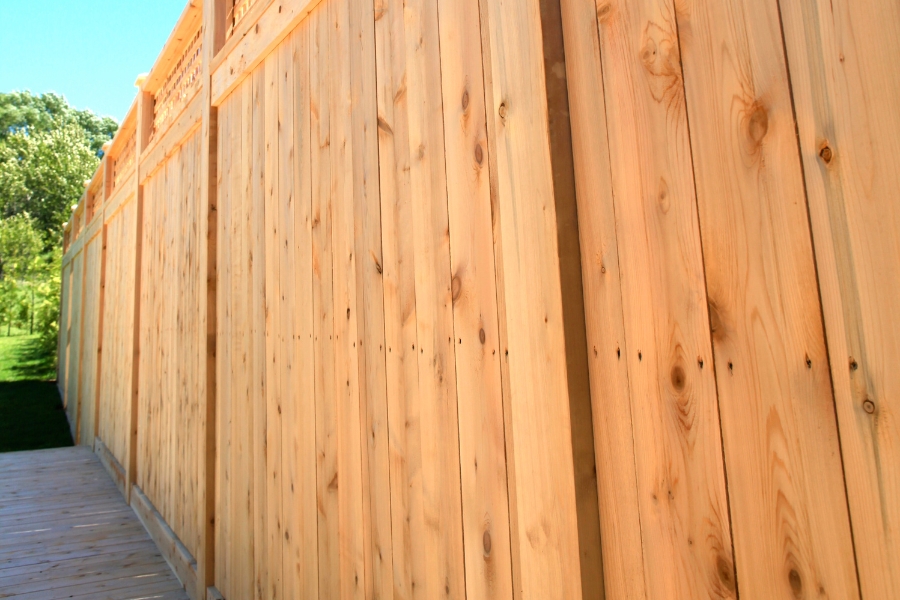
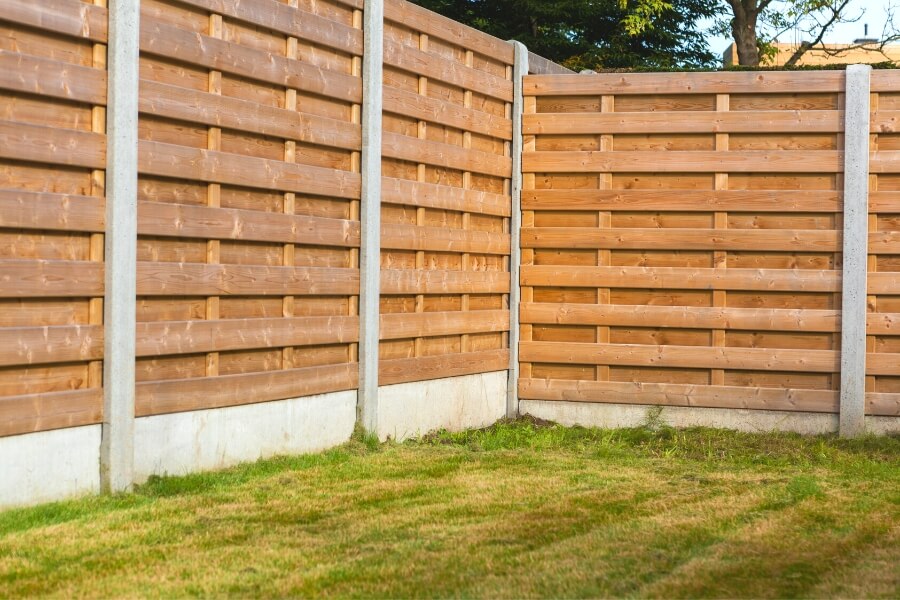
Wooden fences have a timeless appeal that complements a wide range of architectural styles. Whether you have a modern, minimalist home or a traditional, Victorian-style residence, a wooden fence can seamlessly blend with your property’s overall design. The natural beauty of wood adds warmth and character to your home’s exterior, creating an inviting atmosphere.

Wooden fences come in a variety of styles, designs, and finishes, making it easy for homeowners to customize their fences according to their preferences. From classic picket fences to privacy fences and even decorative latticework, the design possibilities are endless.

With proper maintenance, wooden fences can last for many years, providing an excellent return on investment. At Oaks Home Services, we use only high-quality wood and expert craftsmanship to ensure the longevity and durability of our fences.

Wood is a renewable, biodegradable, and natural material. By choosing a wooden fence, you’re making an eco-friendly choice that reduces your carbon footprint and supports sustainable forestry practices.

Caring for Your Wooden Fence

To maintain the beauty and durability of your wooden fence, it’s essential to provide it with the proper care and maintenance:

Regularly inspect your fence for signs of damage, rot, or insect infestation. Promptly address any issues to prevent further damage. Clean your fence with a mild soap and water solution, using a soft brush to remove dirt, debris, and mildew. Rinse thoroughly with a garden hose.

Apply a wood preservative or stain to protect your fence from moisture, UV rays, and insect damage. This should be done every few years, depending on the specific product and the local climate. Keep plants and foliage trimmed back from your fence to prevent moisture damage and minimize the risk of insect infestations.

oaks fencing contractors

The Oaks Home Services Difference

At Oaks Home Services, we understand the importance of selecting the right fence for your property. Our experienced team works closely with each client to install the perfect wooden fence that meets their unique needs and preferences.

With years of experience in Toronto and the GTA, we have the knowledge and expertise to provide top-notch service and exceptional craftsmanship. Our commitment to customer satisfaction is evident in every project we undertake, and we take pride in enhancing the urban landscape of our beloved city.

Wooden fences are a timeless classic that continues to enhance the urban landscape of Toronto and the surrounding GTA. At Oaks Home Services, we are proud to be a part of this tradition, providing expert fence contracting services to homeowners throughout the region. If you’re considering a wooden fence for your property, contact us or give us a call at (647) 619-4977, and let our experienced team help you create the perfect outdoor space for your home.

Design Trends for Interlocking Driveways in Vaughan: What’s Hot in 2023

Interlocking driveways have become increasingly popular for homeowners in Vaughan, as they provide an aesthetically pleasing and durable option for paving their driveways. With spring of 2023 just around the corner, it’s worth looking at some of the design trends expected to be popular in interlocking driveways.

Natural Stone Look

Creating a natural stone look is expected to be a trend in 2023. This look can be achieved by using interlocking pavers that resemble natural stone. With a wide range of colours and styles available, it’s easy to create a unique and custom look for your driveway.

Large Format Pavers

Another trend that is expected to gain popularity in 2023 is the use of large format pavers. These larger pavers create a sleek and modern look, with fewer seams and joints. They can also help to make a small driveway look larger.

Mixed Materials

Mixing materials is another trend that is likely to continue in 2023. Homeowners are combining different types of interlocking pavers to create unique designs and patterns. For example, combining concrete pavers with natural stone pavers can create a stunning visual effect.

designs and shapes vaughan interlocking

Bold Colours

Bold colours are set to be popular in 2023. Homeowners are no longer afraid to add a pop of colour to their driveway designs. Vibrant blues, greens, and yellows are all expected to be popular choices.

Geometric Patterns

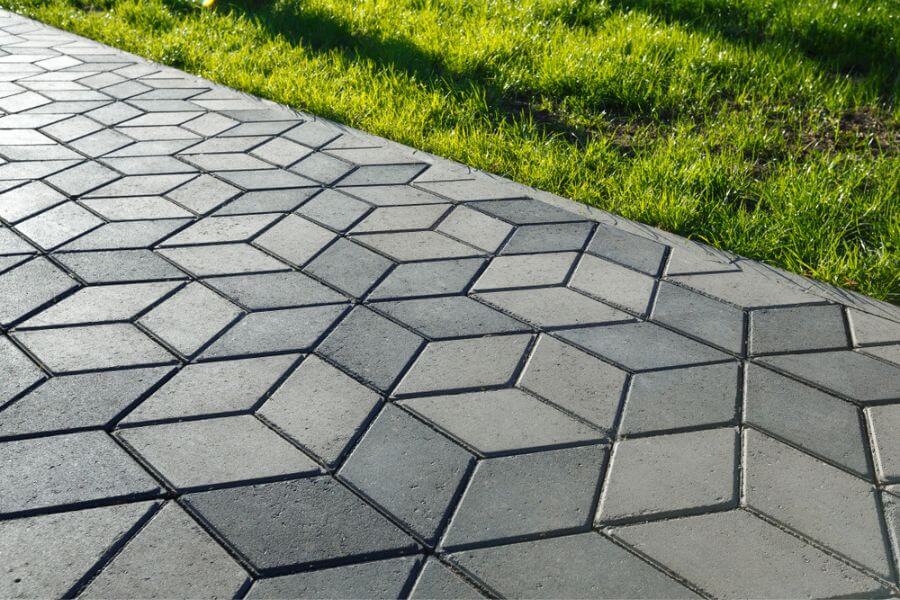
Geometric patterns are another trend that is set to be popular in 2023. From hexagonal pavers to diamond shapes, these designs can create a unique and eye-catching driveway.

Permeable Pavers

Permeable pavers are a growing trend in interlocking driveways. They allow water to drain through them, which can help to reduce the risk of flooding and water damage. These pavers are also environmentally friendly, as they help to prevent rainwater runoff from polluting local waterways.

Minimalist Designs

Minimalist designs are expected to be popular in 2023. Simple patterns, neutral colours, and clean lines are all elements of this trend. This design style is perfect for homeowners who want a modern and minimalist look for their driveway.

If you’re looking to update or install an interlocking driveway in Vaughan, consider working with Oaks Home Services. Our team of experts can help you choose the perfect design trend to fit your style and budget. With years of experience in the industry, we have the knowledge and expertise to install a high-quality interlocking driveway that will last for years to come. Contact us today to schedule a consultation and take the first step toward creating your dream driveway.

The Art of Deck Maintenance: A Comprehensive Guide

One of the best parts about owning a home is having an outdoor deck one can enjoy in the summer months. It’s a great way to entertain friends, relax with family, and breathe fresh air. But if your deck isn’t properly maintained, it can quickly become an eyesore and a safety hazard. Keep your outdoor oasis looking gorgeous by following this comprehensive guide to deck maintenance.

washing and cleaning your deck

Cleaning Your Deck

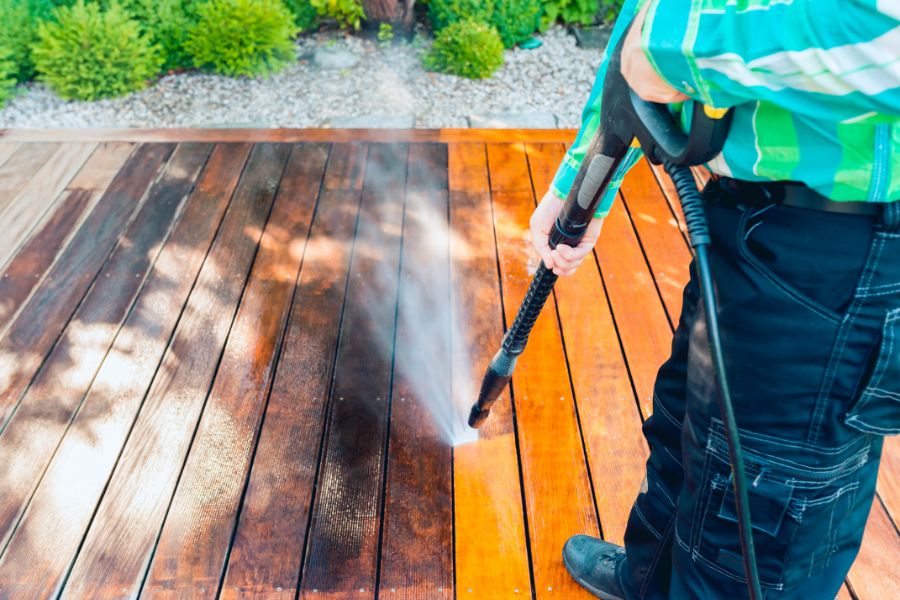
Cleaning your deck frequently is the first step to keeping it in top condition. Dirt, mildew, and other debris that can cause damage over time can be cleaned this way. If you have a wood deck, use a mixture of warm water and detergent. For composite or vinyl decking, use a cleaner designed for those materials. Sweep away any excess dirt and debris from between the boards after cleaning your deck’s surface.

staining your deck

Applying Sealer or Stain

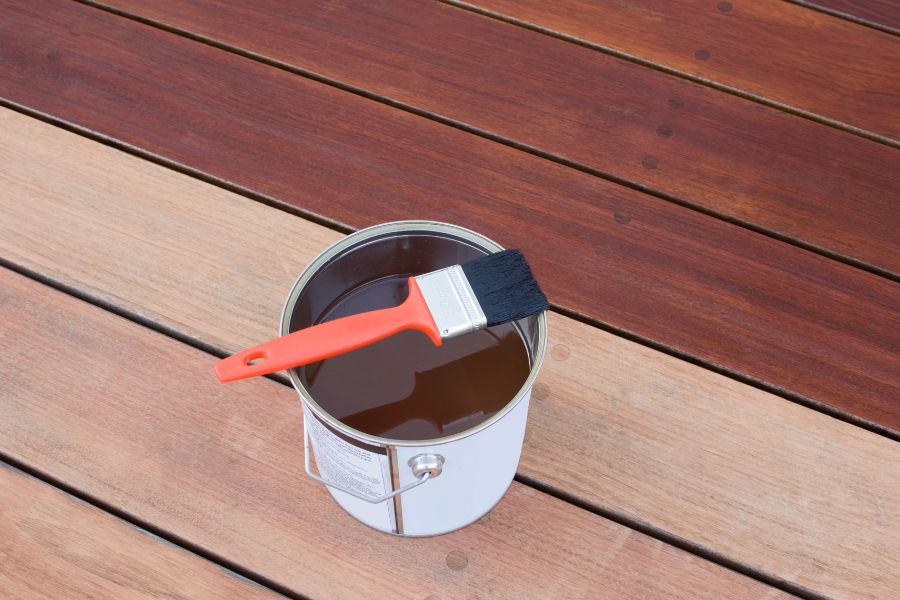
Once your deck has been cleaned, you may want to add sealer or stain for added protection against the elements. This will help prevent fading caused by UV exposure and moisture damage due to rain or snow. Choose a sealer or stain designed for the type of material your deck consists of. Decks made of wood may require special treatment, so be sure to follow the manufacturer’s instructions. For maximum protection, apply two coats with an interval of 24 hours in between coats for each layer to dry thoroughly before adding another coat over the top.

Checking For Damage

Finally, inspect your deck periodically for any signs of damage such as cracked boards or loose nails/screws that need tightening up. Make sure all handrails are secure and check any steps leading onto the deck as well as any lower-level decks if they are attached to yours. These steps will help ensure that everyone who uses your outdoor oasis remains safe while enjoying its beauty!

With regular maintenance and care, your outdoor oasis can stay in top shape year after year and admire by family and friends alike! Oaks Home Services is your go-to provider for all your deck maintenance needs. Whether you need a brand new deck installed or just want to ensure that your existing deck is in top condition with our power washing services, our team of experts has got you covered. We specialize in all aspects of deck services, from design and construction to cleaning and maintenance. With years of experience under our belts, we guarantee that your deck will be in good hands. Contact us today or call us at (647) 619-4977 to learn how our team can help you transform your outdoor living space!

Preserving and Maintaining Your Interlocking and Flagstone

How Do I Ensure My Interlocking and Flagstone Stay Looking Beautiful?


Oaks Home Services has hundreds of satisfied clients all over the GTA. If you are lucky enough to have flagstone or interlocking stone from Oaks Home Services on your property, congratulations to you.

When it comes to preserving your interlocking flagstone, there are a few key things to keep in mind. You should seal your flagstone on a yearly basis to protect it from moisture and stains. If you live in an area like Canada that experiences freezing temperatures, be sure to take measures to prevent your flagstone from cracking or breaking by using de-icing products and/or covering it with a tarp or other protective material when the weather is bad.

types interlocking different oaks stone


You have a beautiful and unique space that should last for many years with the proper care. Here are a few tips and tricks to keep your flagstone or interlocking stone looking its best:

  • Sweep regularly to remove dirt, debris, and leaves to prevent buildup and damage.
  • Use a hose with a gentle nozzle sprayer attachment to clean the surface. avoid using a pressure or power washer, as this can skin a layer right off of the stone and significantly damage it.

maintaining interlocking flagstone tips

  • Canada tends to have some snow, in that case, use a plastic shovel to remove snow from the surface. As metal shovels have the ability to scratch the stone.
  • In cases where moss or algae is present, mix up a solution of 1 part bleach to 10 parts water and scrub the surface with a brush. rinse well with clean water afterwards.

tips maintaining flagstone interlocking

  • Stains can be left from leaves and other natural debris, when this occurs you can use a mild detergent or soap and a stiff brush to clean them. always rinse the surface well afterwards.
  • If you are experiencing tougher stains, such as oil or grease, you can use a diluted solution of trisodium phosphate (tsp) and water. scrub the surface with a brush and rinse well afterwards.

maintaining flagstone interlocking tips

  • For rust stains, mix up a paste of oxalic acid crystals and water and apply it to the stain. let it sit for 30 minutes before scrubbing with a brush and rinsing well.
  • Cracks and chips are commonplace issues for all types of interlocking stone over time, epoxy resin is the perfect solution to fill in the holes and cracks.

Following these simple steps will help protect, preserve and maintain all types of interlocking surfaces and flagstone hardscapes. Oaks Home Services is committed to helping all homeowners get the absolute most out of every inch of their place.

Different Types of Stone Commonly Used for Residential Interlocking

What Type of Interlocking Stone Do I Need For My Home?


Interlocking hardscapes can be constructed with many different types of stone. Granite is a popular choice because it is highly durable and strong. Other popular choices are limestone, sandstone, and slate.

In interlocking design, granite is a very popular choice because it is so strong and durable. In addition to being a highly attractive material, granite can also add value to your home. Nevertheless, granite can be quite expensive, and it can crack in freezing temperatures, so it is not always the best choice for homes in cold climates

For driveway interlocking projects, limestone is another popular choice. It has a beautiful natural colour and is less expensive than granite. In addition to being extremely strong and durable, limestone is also extremely easy to clean and maintain. It can withstand a lot of wear and tear, making it ideal for high-traffic areas. Usually, you simply need to sweep it or hose it down to keep it clean. The affordability of limestone makes it an attractive choice for budget-conscious shoppers.


different types interlocking stone oaks

As a result of its durability, weather resistance, and affordability, sandstone has become a popular choice for interlocking. Sandstone also comes in a wide variety of colours and styles, making it possible to find the perfect match for your home’s unique aesthetic. The porous nature of sandstone means that it is susceptible to external elements and stains easily.

different interlocking stone oaks types

Interlocking stone with slate is a beautiful and unique option. It is extremely durable and strong, but it can be quite costly. Slate is available in a variety of colours, making it an excellent choice for many different design schemes. If you live in an area where it rains or snows a lot, slate may not be the best choice since it can be very slippery when wet.


Interlocking designs around your property will enhance the curb appeal and value of your property, as well as the form, functionality, and design of your home. In addition to our years of experience sourcing and installing interlocking stone, Oaks Home Services has experts who have first-hand knowledge of all different types and kinds of interlocking stone, as well as what type of stone will work best for your property.

types different oaks stone interlocking

So now you know the different types of Interlocking stone that are most commonly used in residential interlocking projects. Our professional interlocking experts have experience installing every type of stone listed above and know which stone will work best with your backyard space.

We can help you find the best option for you and your interlocking. Looking for some inspiration? Check out some of our previous backyard design galleries. Ready to get started with your projected vision? Contact Oaks Home Services.

Common Mistakes To Avoid When Laying Flagstone Patios

The patio is a space of the house, or rather of the property, which is located outside the four domestic walls, and can be a loggia or a porch, from which precisely the internal house itself is accessed. They could be equipped or not with a roof, if there could be a large fountain or in the outdoor chairs.

You chose a tile for outdoor terraces, prepared the concrete slab, made a correct layout, allowed expansion joints and bought the right adhesive. Now that all the preparation work is finished, it’s time to start setting up the units on the spot.

Mistake checklist for laying patio flagstones and interlock pavers

1. Not keeping the tools and materials required within your reach

Things you will need. Keep all these tools close at hand when working with the outside patio tiles: knee pads (you will thank us for that tip at the end of the day), trowels (margin trowels and, above all, serrated trowels), buckets, spacers, a sponge, a tape measure, a pencil and a level.

2. Close yourself up in a corner

Where to start. After completing the layout with a grid, you should be able to see where each exterior tile is going. This means you can start anywhere. Some people start in the middle, some start in the far corner from where they will cut tiles, mix thinset and then come back. Whichever direction you move, make sure you don’t catch yourself in a corner. After the outdoor patio tiles have been placed in the thinset, you cannot walk on them until the next day. Make sure you have an escape route in mind before you begin. You don’t want to spend the night on your new outdoor tiled patio waiting for the thinset to dry.

3. Choosing a wrong spatula

Choose the right spatula. The outdoor patio tiles are fixed with toothed spatulas, available at home goods stores. Use a trowel with appropriate notches for the units you are setting up. The bigger the tile, the bigger the notch you need. A 12 foot by 12 foot outdoor tile should be set with a spatula of at least 1/4 inch.

4. Spreading thinset unevenly

Using the notched trowel, spread the thinset (ie the tile adhesive) over a small area, enough to cover four tiles to start with. It’s ok to cover most of the grid lines, be sure to leave the corners where the lines intersect so you can see where to place the tiles. Using the notch side of the trowel, widen the thinset so that the notches are of consistent size and all turn in the same direction.

5. Leaving a set stone unchecked

Set your first outdoor patio flagstone or an interlocking paver. Align it on the grid lines. Apply pressure to the tile to make it stick to the adhesive. Try the card again. Right, you put it down, but you have to check the coverage of the thinset on the tile. If the coverage is not sufficient, the installation will not last. Almost the entire back of the patio’s exterior must be covered with thinset. If not, you need a trowel with a bigger notch.

6. Not using a grid or spacers

Set the next outdoor patio flagstone or paver. Set the next stone using your grid as a guide. If you haven’t created a grid, you can use spacers, small plastic dividers used to separate identical tiles from one another. With the tile spacers, the joints between the tiles will all be the same size, but without a grid it is easy to get out of the way and not make the tiles in a straight line. Continue to set up your outdoor patio flagstones. Continue this process until all units have been thrown. You will almost certainly have to cut some units.

How To Install Interlocking Stone Pavement The Right Way

How To Install Interlocking Stone Pavement The Right Way

Your driveway must be able to withstand any kind of wear. Good composition of different materials means that the entrance is not deformed over time. As you are building a new driveway from scratch, it is important that you take into account its function, the house’s façade, the environment around and not least for your own taste and taste. The diligence and accuracy with which the work is performed is one of the most important parts when constructing a driveway, and at our company you will find a wide range of different materials available.

Constructing durable interlock driveway: Toronto experts dish their secrets

Ensuring that your interlocking driveway stays strong and looks sparkling new as years go by starts with hiring the right team of professionals to lay it. Making the interlocking driveway surface strong and durable requires skillful performance. The work is divided into different parts.

  • Preliminary work – measure and mark
  • Leveling
  • Laying the edges
  • Laying the basis
  • Paving
  • Creating a stylish finish


If the outdoor flooring is designed for patios, terraces, arcades, driveways, or an interlocking walkway in the garden, it is important to choose materials that harmonize with the style of the interiors. Continuity is important in general for all external areas: especially if the spaces are not large, it is good to avoid the use of completely different materials or in any case different finishes (for example for the pool side different from the pedestrian path that reaches it). When choosing the material it is necessary to take into account the climatic conditions: in an area with a high risk of frost, it will be necessary to orientate on tiles with high resistance, while in areas with frequent rainfall it will be more suitable for outdoor coatings with low water absorption. These specifications, such as for example the resistance to slipping and the resistance to bending or the visibility of the fingerprints, are also indicated with intuitive pictograms on the technical data sheets and in the product catalogs.

Failproof instructions for laying pavers

Before buying the materials and proceeding with the work, it is essential to carry out a survey of the area and a preliminary outline of what will have to be done. An important precaution in the preparation of the pavement is to create a slight slope in the opposite direction with respect to the walls of the dwelling, equal to at least 2%, to allow the drainage of rainwater and avoid stagnation. To make your future work easier, create the edges of the area to be paved, possibly using bricks or square stones.

Here are our tips to perform the laying of the lining properly, depending on whether it is on sand, grass or gravel, the latter indicated for large surfaces, for laying with joints of reduced width or without grass. In the case of elevated laying (on terraces or practicable floors) it is possible to realize a raised floor level, but able to allow the evacuation of rainwater.

  1. Level and compact the surface and remove any raised elements (stones or raised roots). In the case of grass, it is possible to prepare a special substrate. Excavation is carried out in depth (approximately 10-12 inches) and is filled with gravel (grain size 3/4 inches) or sand to be compacted before dry laying.
  2. The stoneware elements are placed side by side, leaving 1/8-1/4 joints. In the case of turf, the aesthetic result will be enhanced by the growth of grass at the joints. The result will be of good duration but subject to the movements of the ground.
  3. Dig the soil to a depth of at least 8 inches in dry climates and with draining soil, or higher in cold or rainy climates. Compact the bottom of the excavation and make sure it is slightly sloping. Laying a layer of non-woven fabric is recommended. Position and compact a layer of gravel (grain size 3/4 inches). Overlap and compact a layer of fine gravel (grain size 1/4 inches) to make it easier to level the surface.
  4. Check the flatness of the surface with a straight edge. It is advisable to leave a slope of at least 2% to ensure the flow of water from the floor.
  5. Install the stoneware elements, leaving joints of at least 2 millimeters. When laying, spacers can be used that are usually applied for laying tiles.
  6. After checking the flatness of the floor with the straight edge and possibly using a rubber hammer to correct small differences in level, fill the joints with very fine sand (grain size 0-3 mm) or with fine sand with added polymers.
  7. After making the floor and its slopes, install the waterproofing sheath.
  8. The number of supports required varies according to the format and the geometric characteristics of the environment in which it is installed. It is advisable to follow the instructions for the provision provided by the manufacturer. In the case of laying near a wall, cut the base of the supports with a hose or hacksaw, without damaging the central circular part. During installation, adjust each support to obtain a planar floor. If necessary, use slope correctors.