Base Stability for Interlocking: Building a Strong Foundation
Consider this scenario: you've just invested in a gorgeous new interlocking driveway or patio, complete with beautiful pavers that perfectly complement your home's architecture. Fast forward two years, and you're dealing with uneven surfaces, shifting stones, and puddles that just won't drain properly. What went wrong? Very often, premature rutting or settlement traces back to base design, materials, and compaction quality.
Think of your interlock installation like building a house. You wouldn't construct walls on unstable ground, right? The same principle applies to your outdoor paving projects. A strong base for interlock isn't just recommended – it's essential for long-term success and beauty.
Why Base Stability for Interlocking Matters
Base stability is essentially the unsung hero of any successful Toronto interlocking project. It's the carefully engineered foundation system that sits beneath your visible pavers, working tirelessly to distribute weight, manage water drainage, and prevent the shifting and settling that can turn your dream patio into a maintenance nightmare.
When we talk about base stability, we're referring to multiple-layer systems that work together like a well-orchestrated team. Each component has a specific job, from the initial soil preparation right up to the final bedding material that cradles your pavers. Getting this right means your installation will look fantastic and perform beautifully for decades to come.
Key Components of a Stable Base
Proper Materials
Choosing the right materials is like selecting quality ingredients for a gourmet meal – it makes all the difference in the final result. Gravel base for pavers typically consists of crushed stone or recycled concrete that's been carefully graded to specific sizes. This isn't just any old gravel you'd find in a garden centre; it's an engineered material designed to lock together when compacted, creating a solid, stable platform.
The beauty of proper base materials lies in their ability to drain water while maintaining structural integrity. Properly graded, compacted granular base improves drainage and mitigates frost-related movement compared with poorly drained sections.
Base Layers
Professional installations typically involve multiple layers, each serving a specific purpose. The bottom layer addresses soil stabilization and major drainage needs, while the upper layers provide increasingly fine-tuned support and levelling. Interlock base layers work together like a pyramid, with each level building upon the stability of the one below.
Understanding how to install paver base properly means recognizing that each base lift should be placed in thin layers and mechanically compacted to target density before the next lift is placed. Rushing this process is like trying to ice a cake before it's cooled – you're just asking for problems down the road.
How to Prepare a Strong Base for Interlock Installation
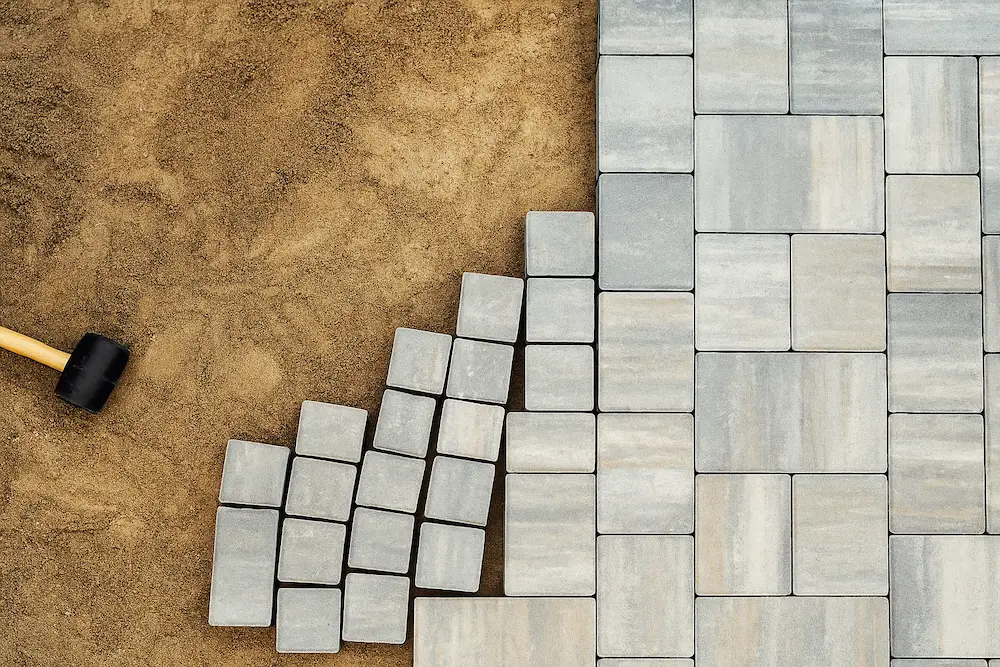
Prepping Ground for Pavers
Ground preparation is where the magic really begins. This involves careful excavation to the proper depth, taking into account not just the height of your pavers but also the thickness of all base materials. Soil conditions play a huge role here – clay soils require different approaches than sandy or rocky ground.
Proper marking and measuring at this stage prevent costly mistakes later. Professional contractors spend considerable time getting these measurements right because once you start building up your base layers, corrections become exponentially more difficult and expensive.
Steps to Build a Stable Base for Interlock
Building a stable foundation follows a methodical process that can’t be rushed. It begins with excavation to the correct depth, followed by careful soil compaction and grading. Before the crushed stone or gravel base is installed, we separate the compacted soil (subbase) from the gravel layer using a woven geotextile fabric. This durable, permeable material allows water to drain while preventing the mixing of soil and aggregate. Without this fabric barrier, the softer soil and harder gravel would gradually blend, leading to the shifting and sinking of the interlocking surface over time.
Next comes the placement of the primary interlock base material—typically crushed stone or gravel—installed in layers (lifts) and compacted after each one to achieve proper density and stability.
Instead of traditional bedding sand, we use High Performance Bedding (HPB) for the final base layer. HPB consists of clean, angular limestone chips that naturally lock together and self-compact, eliminating the need for mechanical compaction. This material creates an ideal, stable, and perfectly level surface for laying interlocking stones, ensuring long-term strength and excellent drainage performance.
How Deep Should Paver Base Be?
Depth requirements vary significantly based on intended use and local conditions. An interlocking stone patio typically requires less base depth than a driveway application, simply because it won’t be supporting vehicle traffic. In the Toronto area, we generally recommend minimum depths of 6-8 inches for patios and 10-12 inches for driveways, though specific soil conditions might require adjustments. Use 60 mm pavers for pedestrian areas and 80 mm units for residential vehicular areas, per common ICPI practice.
Climate considerations are crucial here. Our freeze-thaw cycles demand deeper bases than you'd need in warmer climates, and proper depth helps prevent frost heaving that can destroy even the most beautiful installations.
Compacting Your Base for Durability
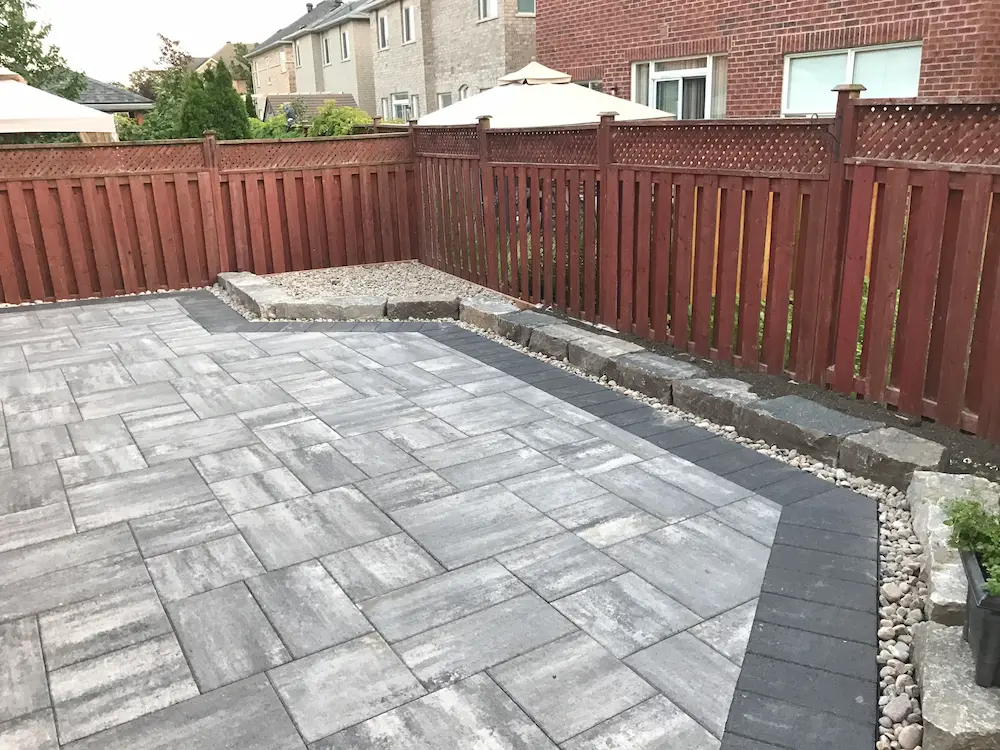
Why Compression Is Crucial
Compaction transforms loose aggregate into solid, stable platforms. Without proper compaction, your foundation materials will continue settling long after installation, leading to uneven surfaces and structural problems. Think of it like making concrete – individual components are useful, but they only reach their full potential when properly consolidated.
Concrete paver base systems rely heavily on compaction to achieve their load-bearing capacity. Proper compaction also improves drainage characteristics and helps prevent the migration of fine particles that can cause settling over time.
How to Compact Correctly
Effective compaction requires the right equipment and technique. Plate compactors are typically used for smaller areas, while larger projects might require walk-behind or ride-on rollers. Compact dense-graded aggregate in ~4 in. (100 mm) lifts for reliable density and load-bearing capacity.
Water content during compaction is critical – too dry and materials won't bind properly, too wet and you can't achieve adequate density. Professional contractors understand these nuances and adjust their techniques based on material type and weather conditions.
Common Mistakes in Interlock Base Preparation
Improper Depth and Material Use
One of the biggest mistakes homeowners make is underestimating the importance of proper depth and material selection. Using the wrong type of gravel or skimping on base thickness might save money initially, but it virtually guarantees expensive repairs down the road.
The best base material for paver patio applications isn't necessarily the cheapest option available. Quality materials cost more upfront but provide superior performance and longevity that more than justifies the investment.
Insufficient Compaction
Rushing compaction processes is another common pitfall. Each layer needs adequate compaction before the next ones go down, and this takes time and proper equipment. Hand tamping might work for very small areas, but most projects require mechanical compaction to achieve professional results.
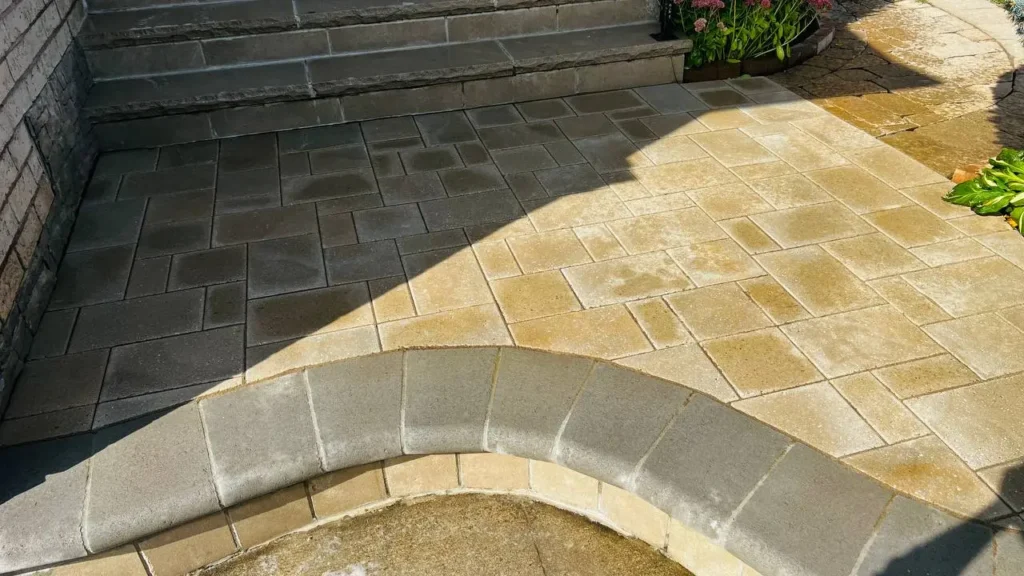
Professional Interlock Base Installation by Oaks Home Services
Professional installation ensures your project gets the foundation it deserves. Experienced contractors understand local soil conditions, climate challenges, and municipal requirements that can affect your installation. They have the proper equipment and expertise to handle everything from complex drainage issues to challenging site conditions.
Frequently Asked Questions
Can I use recycled materials for the interlock base?
How long does an interlock base last?
A properly installed base should last decades with minimal maintenance. The key factors are quality materials, proper installation techniques, and appropriate depth for the intended use. Most professional installations come with warranties reflecting this longevity.
Can weather conditions affect interlock base installation?
Weather definitely impacts installation quality. Extreme temperatures, precipitation, and ground conditions all affect compaction and material performance. Professional contractors plan installations around weather conditions to ensure optimal results.
How Do I Maintain My Interlock Base Over Time?
Proper drainage maintenance is crucial for long-term base stability. Keep drainage systems clear, address settling issues promptly, and avoid overloading the surface beyond its design capacity. Regular inspections can catch small problems before they become major issues.