

Top Design Trends for Driveway Interlocking: Your Home’s Grand Entrance Gets a Stylish Makeover

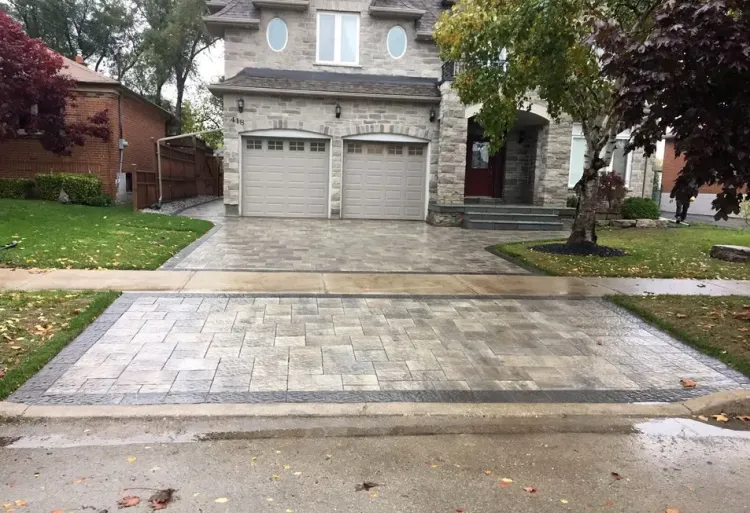
Honestly, your driveway functions as the red carpet leading to your residence. Visitors see this surface first when they arrive, and similar to a great outfit, it establishes the mood for everything following. Living in Toronto or anywhere across GTA, you’ve probably noticed driveways experiencing a serious style moment currently. Gone are the days when simple concrete slabs would suffice. Today’s homeowners treat their driveways like genuine design statements, and the results are absolutely stunning.

Modern interlock driveways have become go-to choices for people wanting something both gorgeous and practical – because honestly, we need surfaces that handle everything from summer barbecues to brutal Canadian winters. It’s like selecting perfect boots that look amazing while also managing Toronto snowstorms.

Driveway Design as Part of Home Aesthetics
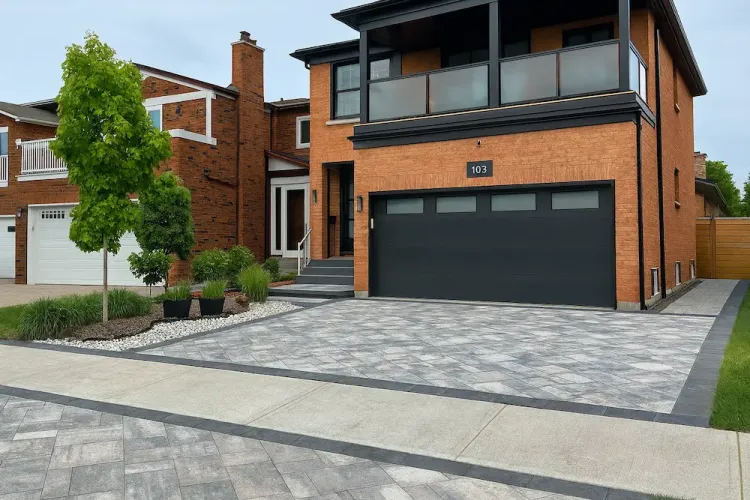
Think of your driveway as the foundation of your home’s entire outdoor look. Just like you wouldn’t wear a ball gown with hiking boots, your driveway needs to work harmoniously with your house’s architecture and your landscape design. The best driveway paver designs create this seamless flow that makes your whole property feel intentional and put-together.

What’s truly exciting involves homeowners beginning to see driveways as outdoor flooring – extensions of living spaces rather than merely car parking areas. This shift in thinking has opened up incredible possibilities for creativity and personal expression. Whether you’re working with a charming century home in downtown Toronto or a sleek modern build in Mississauga, there’s a driveway design that can enhance your home’s unique character.

New Styles and Materials

Modern Minimalism and Clean Lines

The minimalist trend that’s been dominating interior design has found its way outside, and honestly, it looks fantastic. Interlock driveway designs embrace this aesthetic focus on clean, uncluttered lines that let the quality of materials shine through. Think of it as the “less is more” approach to outdoor design.

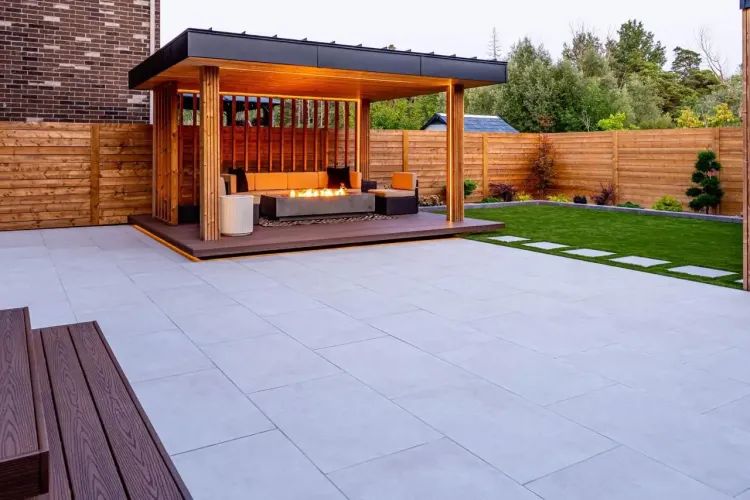
Large-format slabs in neutral tones are a leading 2025 trend noted across industry roundups and manufacturer releases. These create expansive, uninterrupted surfaces that make your space feel larger and more luxurious. The beauty lies in the restraint – when you choose high-quality stones with subtle natural variations, you get visual interest without the chaos. It’s elegant, timeless, and surprisingly versatile.

Decorative Driveway Interlock Elements

Now, minimalism doesn’t mean boring. The smartest driveway design ideas incorporate decorative elements as thoughtful accents rather than overwhelming features. Think of it like accessorizing – a beautiful border treatment or subtle inlay pattern can be the perfect finishing touch that elevates the entire design.

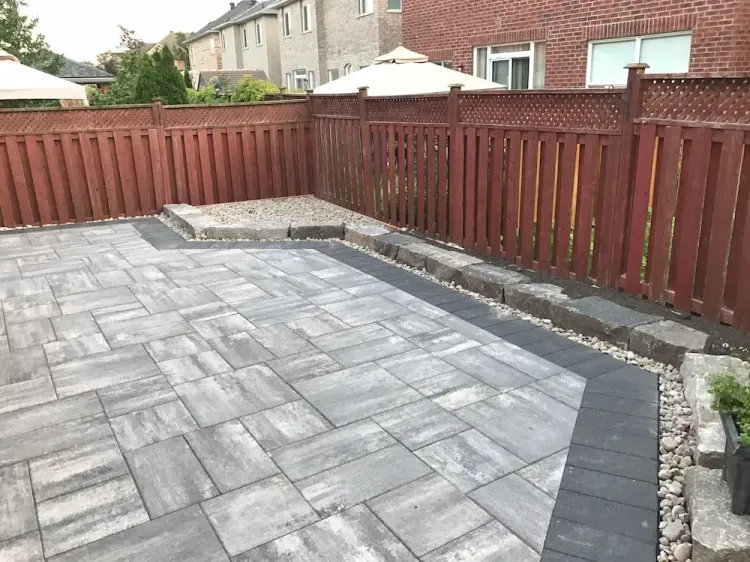
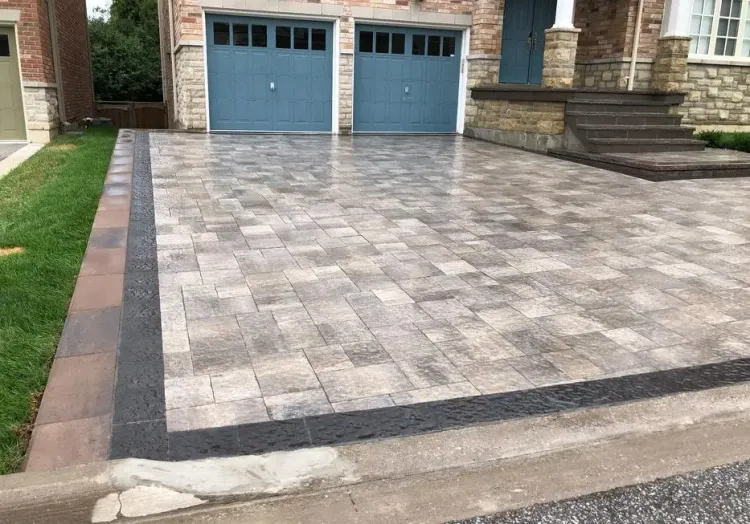
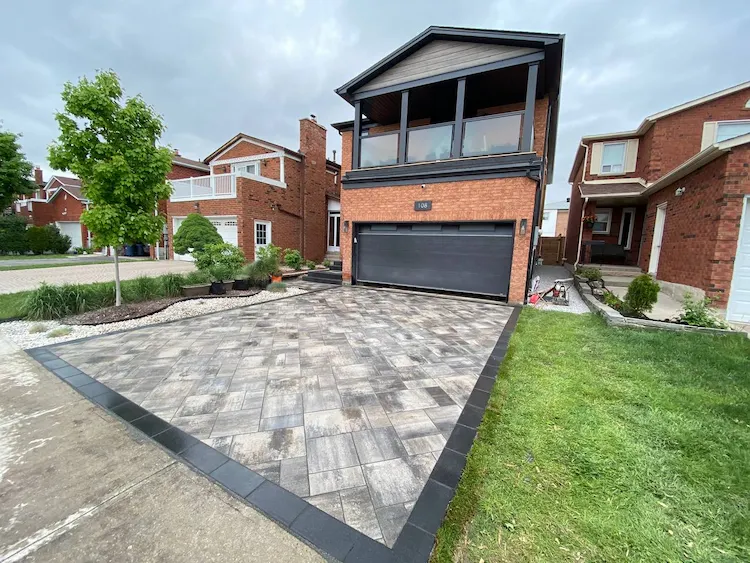
Border treatments are particularly popular right now. They create definition between different areas of your outdoor space while adding that extra layer of sophistication. It’s like adding trim to a room – it just makes everything look more finished and intentional.

Sustainable and Permeable Materials

Here’s where things get really interesting. Eco-conscious homeowners are making a real shift toward permeable pavers that let water filter through instead of pooling on top. These sustainable options reduce runoff, manage stormwater naturally, and in some Toronto-area communities, they can even qualify you for municipal rebates. That’s a win you can actually feel good about.

The thing is, choosing permeable doesn’t mean settling for less beauty or longevity. Modern interlock driveway designs using these materials come in styles, colours, and textures that rival traditional options — but like any outdoor surface, they benefit from periodic upkeep. Light cleaning, joint refilling, and occasional interlock surface repair and maintenance keep the drainage system performing efficiently year after year.

They’re especially valuable in spring, when Toronto’s rainfall typically increases through the season, raising the importance of on-site drainage. With proper care, permeable pavements not only reduce runoff but have been shown in cold-climate studies to lessen surface icing and salt use compared with conventional pavements.

Popular Driveway Paver Designs and Patterns
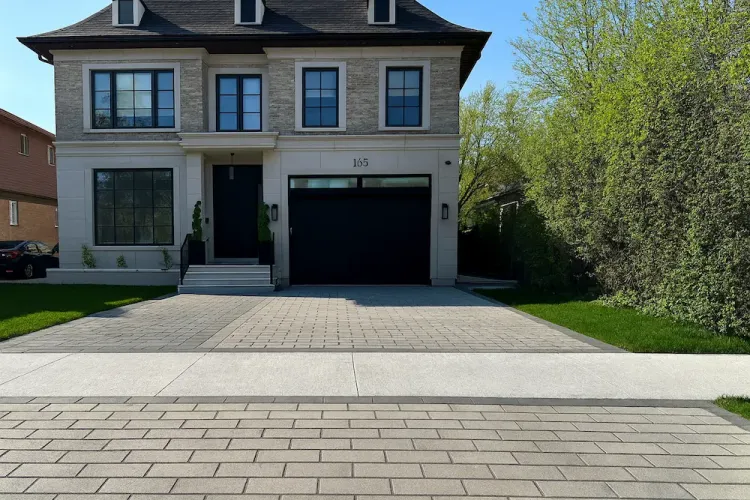
Classic Brick and Concrete Styles

Sometimes the classics never go out of style, they just get better. Traditional materials have evolved dramatically, with manufacturers creating new textures and finishes that honor timeless aesthetics while meeting today’s performance standards. Driveway front yard interlock designs often feature updated takes on classic brick patterns, but with improved durability and weather resistance.

Concrete pavers have had a complete glow-up. Today’s options can look like natural stone, aged brick, or even custom textures, all while offering superior durability and easier maintenance. It’s like getting designer looks at accessible prices.

Geometric and Custom Layouts

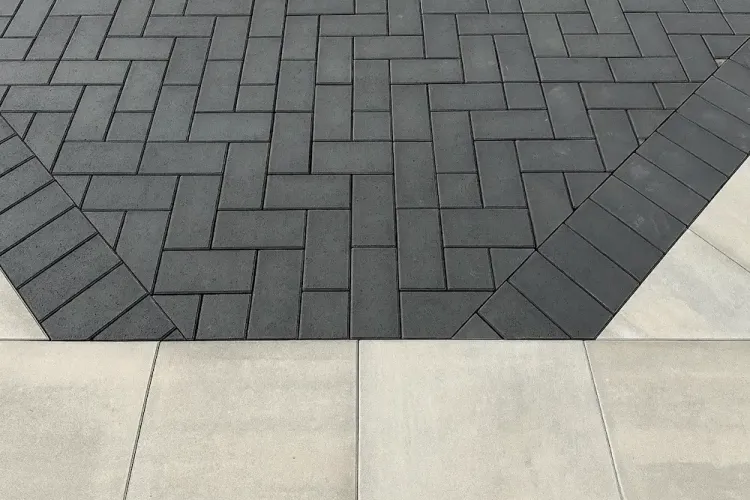
Bold interlocking brick patterns are embracing geometric shapes that create real visual impact. Bold geometric layouts—chevron, herringbone, diamonds, and hexagons—are widely cited as on-trend for 2025 driveway work. These patterns work beautifully with contemporary architecture, creating strong visual connections between your driveway and your home’s design language.

Custom layouts are where you can really let personality shine. Professional contractors are getting incredibly creative, incorporating curves, multiple materials, and complex driveway paver patterns, transforming driveways into true art pieces.

Textured and Stamped Surfaces

Texture is everything when it comes to both looks and functionality. Driveway patterns with varied textures create visual interest while providing better traction – crucial for our Canadian winters. The latest texturing techniques can replicate natural materials while offering consistency and durability of engineered products.

Stamped concrete driveway patterns add depth and character, creating shadows and highlights that change throughout the days. These dynamic surfaces stay interesting in all lighting conditions, ensuring driveways look spectacular from morning coffee to evening wine.

How to Choose the Right Pattern and Material

Choosing the perfect combination feels overwhelming at first, but it’s really about balancing your home’s style, your site’s specific needs, your budget, and your personal taste. The key is thinking about how all these elements work together to create something that feels authentically you.

Professional consultation is invaluable here. Experienced contractors understand how different materials perform in Toronto’s climate and can recommend solutions that will look amazing for decades. They’re like personal stylists for your outdoor space.

Driveway Design Ideas for Every Home Style
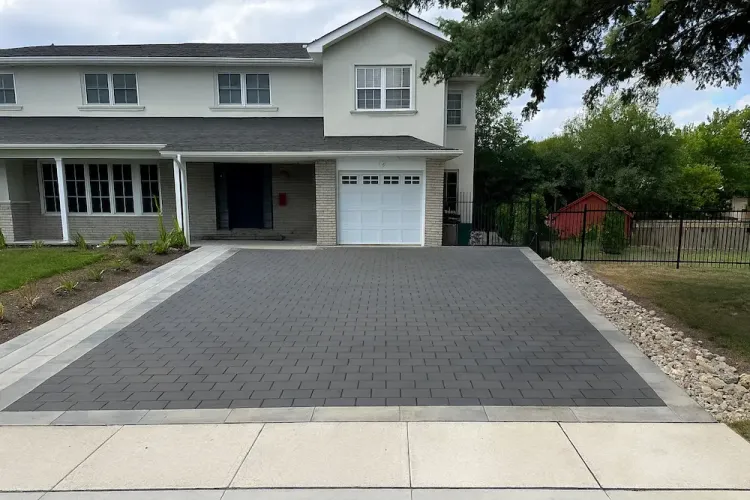
Local Design Ideas Inspired by Toronto Landscapes

Toronto’s incredible architectural diversity provides endless inspiration. From elegant interlock driveway design ideas that complement heritage homes in the Beaches to contemporary installations that enhance modern condos in Liberty Village, local professionals understand how to create designs that honor neighborhood character while expressing individual style.

The beauty of working with local contractors is their understanding of our unique climate challenges and municipal requirements. They know what works here and what doesn’t.

Colour Palettes and Textures

Colour selection can make or break your driveway’s visual impact. Concrete paver driveway designs showcase the incredible range available in today’s market. From warm earth tones that complement natural landscapes to cool greys that enhance contemporary architecture, the options are virtually limitless.

Geometric driveway patterns work particularly well with bold colour contrasts, creating dramatic visual effects that transform ordinary driveways into architectural features. These designs require careful planning and expert installation, but the results are absolutely worth it.

Frequently Asked Questions

How are lighting and decorative accents used in modern driveways?

Integrated lighting has become essential in contemporary driveway design, providing both safety and aesthetic benefits. Low-profile, load-rated paver lights integrated within or along the edges of the driveway provide subtle illumination and are designed to handle vehicle loads. Decorative accents like planters and water features are being incorporated more thoughtfully, serving as focal points that enhance rather than overwhelm the overall design.

Which colours are most popular for driveways?

Neutral tones continue to dominate, with charcoal grey, warm beige, and natural stone colours leading preferences. These versatile options complement diverse architectural styles while maintaining timeless appeal. However, there’s growing interest in subtle colour variations and multi-tonal installations that create depth and visual interest.

Can minimalist design still look unique?

Absolutely! Minimalist design achieves uniqueness through careful attention to proportion, material quality, and subtle details. The key lies in selecting premium materials and executing flawless installations that showcase the inherent beauty of simple, clean designs. Texture, joint patterns, and border treatments can create distinctive appearances within minimalist frameworks.

What future innovations might shape driveway interlocking?

Emerging technologies promise exciting developments in driveway design. Expect more snow-melting systems installed beneath pavers, continued advances in permeable bases, and wider use of recycled aggregates and efficient LED controls. Additionally, sustainable manufacturing processes and recycled materials are becoming increasingly important, ensuring that beautiful driveways can also support environmental responsibility.

The future of driveway design in Toronto and the GTA looks incredibly bright, with innovations that promise to make our outdoor spaces more beautiful, functional, and sustainable than ever before.

Transform Your Driveway with OAKS Home Services

Your driveway deserves the same design attention as the rest of your home — and that’s where OAKS Home Services can make all the difference. Whether you’re inspired by modern minimalism, classic brick patterns, or eco-friendly permeable pavers, our team specializes in turning design ideas into long-lasting, beautiful realities. We bring expert craftsmanship, premium materials, and years of experience working with Toronto’s climate to every project.

If you’re ready to upgrade your home’s grand entrance with a driveway that combines elegance, durability, and functionality, reach out to OAKS Home Services today. Let’s design and build a driveway that not only enhances your curb appeal but also stands strong through every season in Toronto and the GTA.
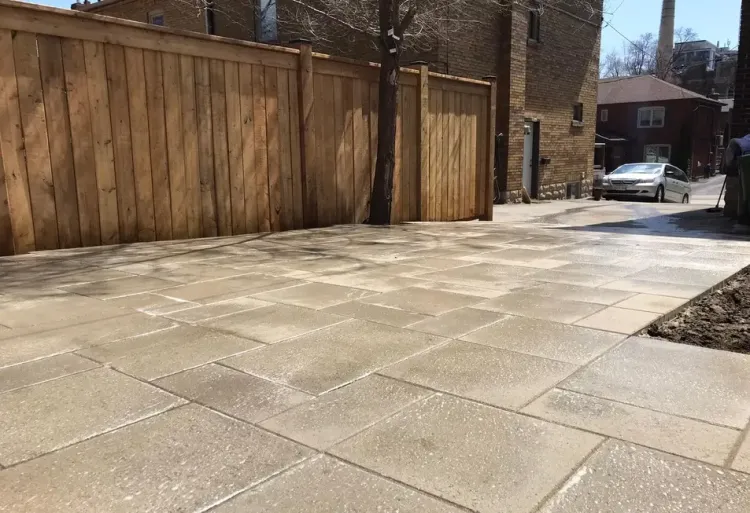
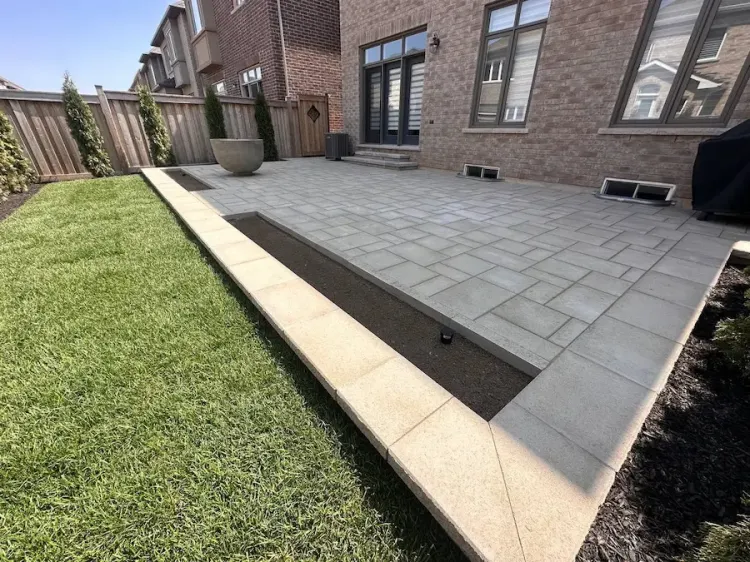
Base Stability for Interlocking: Building a Strong Foundation

Consider this scenario: you’ve just invested in a gorgeous new interlocking driveway or patio, complete with beautiful pavers that perfectly complement your home’s architecture. Fast forward two years, and you’re dealing with uneven surfaces, shifting stones, and puddles that just won’t drain properly. What went wrong? Very often, premature rutting or settlement traces back to base design, materials, and compaction quality.

Think of your interlock installation like building a house. You wouldn’t construct walls on unstable ground, right? The same principle applies to your outdoor paving projects. A strong base for interlock isn’t just recommended – it’s essential for long-term success and beauty.

Why Base Stability for Interlocking Matters

Base stability is essentially the unsung hero of any successful Toronto interlocking project. It’s the carefully engineered foundation system that sits beneath your visible pavers, working tirelessly to distribute weight, manage water drainage, and prevent the shifting and settling that can turn your dream patio into a maintenance nightmare.

When we talk about base stability, we’re referring to multiple-layer systems that work together like a well-orchestrated team. Each component has a specific job, from the initial soil preparation right up to the final bedding material that cradles your pavers. Getting this right means your installation will look fantastic and perform beautifully for decades to come.

Key Components of a Stable Base

Proper Materials

Choosing the right materials is like selecting quality ingredients for a gourmet meal – it makes all the difference in the final result. Gravel base for pavers typically consists of crushed stone or recycled concrete that’s been carefully graded to specific sizes. This isn’t just any old gravel you’d find in a garden centre; it’s an engineered material designed to lock together when compacted, creating a solid, stable platform.

The beauty of proper base materials lies in their ability to drain water while maintaining structural integrity. Properly graded, compacted granular base improves drainage and mitigates frost-related movement compared with poorly drained sections.

Base Layers

Professional installations typically involve multiple layers, each serving a specific purpose. The bottom layer addresses soil stabilization and major drainage needs, while the upper layers provide increasingly fine-tuned support and levelling. Interlock base layers work together like a pyramid, with each level building upon the stability of the one below.

Understanding how to install paver base properly means recognizing that each base lift should be placed in thin layers and mechanically compacted to target density before the next lift is placed. Rushing this process is like trying to ice a cake before it’s cooled – you’re just asking for problems down the road.

How to Prepare a Strong Base for Interlock Installation

Prepping Ground for Pavers

Ground preparation is where the magic really begins. This involves careful excavation to the proper depth, taking into account not just the height of your pavers but also the thickness of all base materials. Soil conditions play a huge role here – clay soils require different approaches than sandy or rocky ground.

Proper marking and measuring at this stage prevent costly mistakes later. Professional contractors spend considerable time getting these measurements right because once you start building up your base layers, corrections become exponentially more difficult and expensive.

Steps to Build a Stable Base for Interlock

Building a stable foundation follows a methodical process that can’t be rushed. It begins with excavation to the correct depth, followed by careful soil compaction and grading. Before the crushed stone or gravel base is installed, we separate the compacted soil (subbase) from the gravel layer using a woven geotextile fabric. This durable, permeable material allows water to drain while preventing the mixing of soil and aggregate. Without this fabric barrier, the softer soil and harder gravel would gradually blend, leading to the shifting and sinking of the interlocking surface over time.

Next comes the placement of the primary interlock base material—typically crushed stone or gravel—installed in layers (lifts) and compacted after each one to achieve proper density and stability.

Instead of traditional bedding sand, we use High Performance Bedding (HPB) for the final base layer. HPB consists of clean, angular limestone chips that naturally lock together and self-compact, eliminating the need for mechanical compaction. This material creates an ideal, stable, and perfectly level surface for laying interlocking stones, ensuring long-term strength and excellent drainage performance.

How Deep Should Paver Base Be?

Depth requirements vary significantly based on intended use and local conditions. An interlocking stone patio typically requires less base depth than a driveway application, simply because it won’t be supporting vehicle traffic. In the Toronto area, we generally recommend minimum depths of 6-8 inches for patios and 10-12 inches for driveways, though specific soil conditions might require adjustments. Use 60 mm pavers for pedestrian areas and 80 mm units for residential vehicular areas, per common ICPI practice.

Climate considerations are crucial here. Our freeze-thaw cycles demand deeper bases than you’d need in warmer climates, and proper depth helps prevent frost heaving that can destroy even the most beautiful installations.

Compacting Your Base for Durability

Why Compression Is Crucial

Compaction transforms loose aggregate into solid, stable platforms. Without proper compaction, your foundation materials will continue settling long after installation, leading to uneven surfaces and structural problems. Think of it like making concrete – individual components are useful, but they only reach their full potential when properly consolidated.

Concrete paver base systems rely heavily on compaction to achieve their load-bearing capacity. Proper compaction also improves drainage characteristics and helps prevent the migration of fine particles that can cause settling over time.

How to Compact Correctly

Effective compaction requires the right equipment and technique. Plate compactors are typically used for smaller areas, while larger projects might require walk-behind or ride-on rollers. Compact dense-graded aggregate in ~4 in. (100 mm) lifts for reliable density and load-bearing capacity.

Water content during compaction is critical – too dry and materials won’t bind properly, too wet and you can’t achieve adequate density. Professional contractors understand these nuances and adjust their techniques based on material type and weather conditions.

Common Mistakes in Interlock Base Preparation

Improper Depth and Material Use

One of the biggest mistakes homeowners make is underestimating the importance of proper depth and material selection. Using the wrong type of gravel or skimping on base thickness might save money initially, but it virtually guarantees expensive repairs down the road.

The best base material for paver patio applications isn’t necessarily the cheapest option available. Quality materials cost more upfront but provide superior performance and longevity that more than justifies the investment.

Insufficient Compaction

Rushing compaction processes is another common pitfall. Each layer needs adequate compaction before the next ones go down, and this takes time and proper equipment. Hand tamping might work for very small areas, but most projects require mechanical compaction to achieve professional results.

Professional Interlock Base Installation by Oaks Home Services

Professional installation ensures your project gets the foundation it deserves. Experienced contractors understand local soil conditions, climate challenges, and municipal requirements that can affect your installation. They have the proper equipment and expertise to handle everything from complex drainage issues to challenging site conditions.

Frequently Asked Questions

Can I use recycled materials for the interlock base?

Absolutely! For example, recycled concrete makes excellent base materials when properly processed and graded. They’re environmentally friendly and often more cost-effective than virgin materials while providing comparable performance.

How long does an interlock base last?

A properly installed base should last decades with minimal maintenance. The key factors are quality materials, proper installation techniques, and appropriate depth for the intended use. Most professional installations come with warranties reflecting this longevity.

Can weather conditions affect interlock base installation?

Weather definitely impacts installation quality. Extreme temperatures, precipitation, and ground conditions all affect compaction and material performance. Professional contractors plan installations around weather conditions to ensure optimal results.

How Do I Maintain My Interlock Base Over Time?

Proper drainage maintenance is crucial for long-term base stability. Keep drainage systems clear, address settling issues promptly, and avoid overloading the surface beyond its design capacity. Regular inspections can catch small problems before they become major issues.

Tips for Interlock Driveway, Walkway & Patio Maintenance

It is practical and aesthetically rewarding to use interlocking stones to construct driveways, not only because they look better, but because of their durability that spans up to four decades, which is a total win if we take into account Ontario’s wide temperature swings. The stone pavers are easy to lay and are available in different sizes, patterns and designs so that you can easily create your own practical and personalized driveway – and don’t have any trouble in maintaining it. It is nevertheless essential to observe several simple rules to prolong the longevity of your interlocking driveway – today, our experts in tiling work dish their secrets on how to use your sophisticated stone paver driveway in a way that will spare you the trouble of renovating it in years to come!

Why Regular Interlock Maintenance Matters

A professionally constructed interlocking driveway is an area that you can enjoy for many years. The surface is low-maintenance, but like all outdoor surfaces, there is a gradual soiling through pollution caused by air and traffic. Neglecting routine care can lead to weed infiltration, joint erosion, and surface staining that becomes increasingly difficult and expensive to reverse. Regular maintenance preserves not only the visual appeal of your investment but also its structural integrity, preventing pavers from shifting or settling unevenly. Proactive cleaning and joint care extend the lifespan of your interlock by decades, protecting against premature wear from Ontario’s freeze-thaw cycles. Most importantly, a well-maintained driveway, walkway, or patio enhances your property’s curb appeal and overall value, making it a smart financial decision as well as an aesthetic one.

Step-by-Step Interlock Maintenance and Cleaning Tips

Basic Paver Cleaning Steps

The most effective way to clean interlock pavers is by using a high-pressure washer. This method easily removes dirt caused by air and traffic pollution, along with algae, oil stains, and grime that settle deep in the joints. A pressure washer restores the original color and texture of the pavers without the need for harsh chemicals or excessive scrubbing. For best results, use clean water or add a small amount of mild detergent for stubborn areas. Regular high-pressure cleaning not only keeps your paving stones looking fresh but also helps maintain their longevity by preventing buildup that can damage the surface over time.

For those searching for interlocking paver cleaning methods that really work, consistency is key. Don’t wait until your driveway or patio looks neglected. Regular maintenance not only keeps the surface looking fresh but also helps you spot potential issues before they become expensive problems.

Removing Moss, Algae, and Efflorescence

On terraces, interlocking walkways, and driveways, the stone may, in some cases, get a coating of algae, fungi, or moss. If you need to remove moss from pavers, start with brushing and a paver-safe outdoor cleaner; use targeted, manufacturer-approved biocides only as directed and rinse thoroughly. Many homeowners also find that specialized brick paver patio maintenance products work brilliantly for stubborn growth.

To remove algae from pavers, act quickly before it spreads and becomes slippery. Algae thrives in shaded, damp areas, so improving drainage and sunlight exposure can prevent future problems with your interlock walkway installation. For brick patio maintenance, keeping the surface dry and well-ventilated is half the battle.

You might also notice efflorescence on concrete pavers – that white, powdery residue that appears on the surface. This lime precipitation is completely normal and doesn’t damage your pavers; it’s simply part of the concrete’s natural curing process. Efflorescence often fades naturally over time with weathering and periodic rinsing. For persistent efflorescence, use a dedicated efflorescence remover approved for concrete pavers, following a small-area test and label directions.

Handling Oil, Rust, and Paint Stains

Use a paver-safe degreaser and gentle brushing; avoid abrasive powders that can scratch the surface. Different types of degreasing products also work well. Fresh oil stains should be soaked up immediately with paper, cloth, or sawdust to prevent them from setting in. The good news? Oil may not structurally damage the paver, but it can stain and be difficult to remove if not treated quickly.

For solvent-based paint, use a paver-approved remover and follow label instructions after a small test area. Water-based paint can be lifted with a damp cloth, followed by washing the surface clean with water.

Rust stains can be removed with gentle brushing and a paver-safe rust remover.

Joint Sand and Surface Protection

Refilling and Compacting Paver Joints

The joints between your interlock pavers are far more important than most people realize. These spaces aren’t just gaps – they’re structural elements that keep your entire driveway or patio stable and functional. A properly filled joint prevents the pavers from shifting, helps with water drainage, and makes it much harder for weeds to take root.

Weather and wind naturally remove some joint material over time, which is why you’ll need to refill them periodically. For enhanced protection and durability, we recommend using polymeric sand. This specialized material hardens when activated with water, creating a more stable joint that resists erosion and helps prevent weed growth more effectively than regular sand.

When refilling joints, sweep the sand across the surface in multiple directions to ensure complete coverage, then compact with a plate compactor (with a pad); lightly mist only to activate polymeric sand. Proper aftercare of your joints is essential for long-term stability.

Sealing Driveways, Patios & Walkways

Sealing isn’t mandatory, but it’s an excellent protective aftercare step—especially for driveways. A breathable, high-quality sealer:

Enhances colour and makes routine cleaning easier.

Minimizes UV fading, road film, and stain penetration.

Helps stabilize polymeric sand and limit weeds.

Seal once the surface is clean and dry and initial efflorescence has subsided; follow the sealer manufacturer’s timing guidance. Clean thoroughly, let the surface dry, apply in ideal weather, and respect cure times. Not sure where to start with how to clean interlock pavers before sealing? Our crews prep, repair, clean, and seal in one coordinated visit, covering essential interlock maintenance steps that extend the life of your surface.

Seasonal Care for Interlocking Pavers

Spring & Summer Tips

Spring is the perfect time to give your interlock a complete refresh. Start by pressure washing the paving stones to remove dirt, salt, and grime left behind by winter. This deep cleaning not only restores their natural color but also prepares the surface for maintenance. Once the area is clean and dry, inspect the joints and refill them with sand where needed to keep the pavers stable and prevent shifting or weed growth. This is also the ideal season for regular maintenance tasks like sealing.

Summer brings its own challenges. Keep an eye out for weed growth between pavers and address it promptly. Knowing how to keep patio pavers clean during barbecue season means dealing with spills quickly and hosing down the area after gatherings to prevent staining.

Fall & Winter Protection

Winter and snow aren’t only about sparkling landscapes plus hot chocolate. It also brings visible and hidden ice on walkways and driveways, which is a hassle. While salting is a popular method with often good results, it’s not particularly gentle on the surface or the surrounding environment.

De-icing salt can be harmful to interlock surfaces, as it may cause surface flaking and discoloration. However, modern ice melters designed specifically for concrete and pavers offer a safe alternative. These products effectively melt ice and snow without damaging the surface, making them an excellent choice for winter care and protection of your paving stones.

Thus, winter maintenance of paving stones consists of quickly clearing snow with a shovel and applying an ice melter. This approach helps maintain the integrity of your investment without causing chemical deterioration. For snow, use a plastic shovel rather than a metal one to avoid scratching the surface.

After winter storms, rinse surfaces where cars are regularly parked. The slush in wheel arches often contains concentrated amounts of salt that gradually wear away at the concrete surface over time.

Professional Interlock Maintenance Services in Toronto & GTA

While DIY maintenance is certainly possible, there’s tremendous value in partnering with a professional team that knows exactly how to help your investment look its best and last longer. OAKS Home Services brings years of experience in brick patio maintenance and interlock care to every project.

Our team uses commercial-grade equipment and proven techniques that deliver superior results compared to DIY methods. We understand Ontario’s climate challenges and know exactly what your pavers need to thrive through every season. From deep cleaning to polymeric sand installation and professional sealing, we ensure your outdoor surfaces receive the expert aftercare they deserve.

Why Hire OAKS Home Services for Interlock Cleaning and Sealing

✔ Local expertise: Built for Toronto & the GTA climate—freeze-thaw savvy, plant-safe products, and driveway-ready methods.

✔ One-visit efficiency: We clean, re-sand, compact, and seal in a smooth sequence to keep your project on schedule.

✔ Quality materials: Contractor-grade cleaners, polymeric sands, and breathable sealers that protect without trapping moisture.

✔ Clear pricing & timeline: No surprises—just durable results you can see.

Ready to refresh your space? Instead of searching “paver cleaning and sealing near me,” talk to Oaks for a friendly quote and tailored plan.

Frequently Asked Questions

How often should interlock driveways be re-sanded or sealed?

Re-sand joints whenever you notice depletion—often after heavy weathering or washing rather than on a fixed schedule. Sealing intervals vary by exposure, traffic, and product; many driveways need re-sealing roughly every 2–5 years. Regular inspection helps you catch issues early.

Can pressure washing damage interlocking pavers?

Use a wide fan tip at low pressure, 12–16 inches from the surface, to avoid dislodging joints or etching. However, using too much pressure or holding the nozzle too close can erode joint sand and even damage the paver surface. It’s best to use a wide-angle nozzle and moderate pressure, or hire professionals who know the right technique.

What’s the best season for interlock maintenance in Ontario?

Late spring through early fall provides the dry, mild conditions needed for joint work and sealing. Book ahead because prime weeks fill quickly.

How long does professional interlock maintenance take?

Most single-day projects (clean + re-sand + compact) wrap up in a few hours, depending on size and condition. If sealing is included, add cure time—often pedestrian-ready the next day and driveway-ready after the product’s stated window.

Backyard Makeover Ideas That Maximize Small Spaces

Not all of us are living that backyard dream with acres of green. Tiny outdoor spaces can pack a ton of personality; you just have to get a little creative. You could turn that small outdoor space into your favourite hangout zone, a personal oasis, a relaxing spot for friends, or a little garden to enjoy. From an urban townhouse to a country home, a thoughtful small backyard remodel can make a little space feel like so much more.

This guide highlights clever design strategies, layout improvements, and practical solutions for maximizing outdoor living. You’ll find ideas that strike a balance between design and utility for everything from patios and decks to interlocking pavers.

How to Maximize a Small Backyard

Smart Layout and Space Planning

The secret to every successful small backyard design idea is a sound layout. Picture the area divided into three sections: dining, seating, and a smaller corner for gardening or relaxation. Use paths or low planters to delineate these spaces without filling the area.

Smooth movement matters most. Oversized pieces disrupt circulation, whereas compact multi-use furniture preserves comfort. Consider a storage bench or collapsible table to conserve space while keeping the atmosphere open.

Vertical and Multi-Level Design

Space constraints encourage vertical solutions. Adding trellises, wall planters, or hanging gardens allows you to place greenery at eye level, freeing up space for other purposes. Multi-level decks or raised planters also create dimension, visually enlarging the area. If you have a sloped property, try tiered garden beds or steps, turning a challenge into one of the most distinctive small sloped backyard ideas.

Choose the Right Materials

The surfaces and finishes you select shape the entire impression. Pale paving stones, reflective accents, and slim furniture expand the perceived size. Natural stone, interlocking brick with some rough texture, or even warm wood, add a bit of magic without making things feel bulky. For durability in Canadian climates, choose frost-resistant pavers or composite decking. They’ll handle the ice, the snow, the slush, and still look sharp after years of use.

Backyard Interlocking & Paving Ideas for Small Spaces

Pavers deliver versatile upgrades for small spaces, adding architectural interest. The interlocking driveway is distinguished by its high engineering strength and can withstand freezing and thawing cycles without deformation. Patios and paths laid out in herringbone or basket patterns create visual movement with high-quality finishes. Softer appearances result from alternating units with turf strips, adding warmth while maintaining breathability. Drainage concerns benefit from permeable surfaces installed over open-graded aggregate, allowing rainfall filtration instead of pooling. Using crisp edging, well-compacted base, plus scaled slab sizes, convert any small backyard transformation idea into cohesive, long-lasting results.

Small Backyard Patio & Deck Makeover Ideas

Backyard Patio Ideas

A patio serves as the heart of many backyard ideas for small yards. Even the smallest space can have an appealing zone if creative thinking is applied. For example, corner patios make the most of unused space, while circular ones give the appearance of more square footage. And it doesn’t have to be plain concrete — interlock designs for patios add style, durability, and a custom touch that works beautifully in small spaces.

On a tighter budget? Stamped concrete or gravel can give you plenty of style without the higher price tag of natural stone. These options deliver impact without the cost of premium materials. Toss up some string lights or hang a few lanterns, and your patio turns into a kind of cozy hangout spot.

Backyard Deck Ideas

Decks extend indoor comfort into the open air. L-shapes and rectangles maximize efficiency, while integrated benches reduce clutter. A small backyard deck idea might include storage under benches to minimize the need for separate furniture. And if you want more plants but don’t have space for pots everywhere, try a railing that doubles as a planter. To tie everything together, interlocking walkways can wind gracefully from your deck into the rest of the yard.

Composite materials are especially well-suited for tight spaces, as they are low-maintenance and can handle heavy usage. If you’re trying to save money, pressure-treated wood is the classic go-to. It’s affordable and allows you to experiment with the design.

Small Backyard Water Feature Ideas

Water elements bring sound, movement, and serenity to tight spaces. Tabletop fountains, wall-mounted waterfalls, or tiny ponds instantly elevate yards. Additionally, reflective water surfaces enlarge the space.

Even in colder climates, you can easily winterize those seasonal water features and keep them looking decent all year. And here’s a pro tip: your small backyard renovation idea will really stand out if you combine a water feature with subtle lighting to create a focal point.

Small Backyard Landscaping Ideas

Simple Landscaping for Small Yards

Uncomplicated choices often succeed best. Native plants thrive with minimal effort while contributing natural beauty. Container gardens or raised beds provide seasonal colour adjustments. Shrubs or single trees bring shade, structure, and personality without creating cramped feelings.

Modern and Cozy Designs

For a modern touch, combine sleek decking with stone planters and simple outdoor furniture. A cozy approach might include a pergola draped with vines, a compact fire pit, or soft outdoor rugs to make the area inviting. These simple, small backyard ideas work perfectly for creating warmth and charm.

Budget-Friendly Small Backyard Ideas

Working with a tight budget doesn’t mean sacrificing style. Gravel paths, upcycled planters, and DIY seating areas refresh surroundings affordably. Artificial turf ensures greenery without the need for constant maintenance, and solar lighting provides natural illumination. With these budget-friendly ideas, you can achieve big results without draining your wallet.

Small Outdoor Living Spaces

Seating and Dining Ideas

Comfortable furniture turns tight yards into true extensions of the home. Bistro tables suit small patios, folding chairs offer flexibility, and built-in benches line fences efficiently. Even a modest table with two chairs creates a welcoming dining corner.

A fire pit or outdoor heater creates functionality, especially in regions where cold nights are common. These additions make small outdoor living spaces functional for more months of the year.

Shade and Shelter

Shade is essential for comfort, especially in sunny areas. Pergolas, retractable awnings, or gazebos provide coverage while conserving space. Try growing plants on pergola beams to create a natural canopy and add charm. Umbrellas or pop-up shelters supply budget-friendly, movable shade whenever needed.

A compact yard doesn’t mean limited potential. With a bit of imagination, you can turn that tiny plot into a true oasis. Smart planning, creative use of vertical space, and a thoughtful mix of hardscape and greenery can transform even the tiniest yard into a retreat. Keeping your little piece of paradise in great condition is actually pretty easy. Interlock repair ensures your patios, walkways, and driveways stay safe and attractive for years.

There are a million ways to transform your space — whether you want to throw wild BBQs, hide from your family with a book, or just reduce or even eliminate the need for mowing. Whether your priority is hosting friends, creating a private retreat, or designing a low-maintenance garden, squeeze every drop of awesome out of that limited square footage.

Frequently Asked Questions

What’s the best lighting for small backyards?

Nothing beats soft, layered lighting. Toss up some string lights, throw in a couple of those solar path markers, and a spotlight or two. Now, the space will feel warm and open without overpowering it. This creates a relaxed, open atmosphere.

Are interlock pavers better than concrete for small backyard renovations?

Yes, interlock pavers are more flexible, easier to repair, and available in more styles than poured concrete. If something goes wrong, you can just pop a few out and swap them. When the weather gets into freeze-thaw cycles, these pavers don’t crack up like concrete does. Perfect for small backyards where every inch counts.

Can I add privacy to a small backyard without making it feel smaller?

Absolutely. If you want to keep nosy neighbours out of your business but still make your space look cool, toss up a lattice screen, grab some tall planters, or create a vertical garden. You’ll get that green vibe and some privacy. Light, semi-transparent materials work best to maintain an open feel.

What are low-maintenance options for small backyard designs?

Simple options include drought-tolerant plants, composite decking, artificial turf, and solar lights. They allow you to enjoy your yard without constant maintenance, they look good, and require very little upkeep.

Benefits of Interlocking Pavers for Driveways, Patios & Walkways

Interlocking stone pavers have become a preferred choice for many homeowners. They mix a good appearance with durable longevity and simplicity of maintenance. Compared to standard concrete or asphalt, they offer a noticeable step up in both style and performance.

What Are Interlocking Pavers

These unique stones connect like puzzle pieces to form a firm yet adaptable surface, one of the core interlocking pavers benefits. They come in hundreds of shapes, colors, and textures — and are usually made from concrete, stone, or brick. You’ll often see them in yards, driveways, patios, and even in commercial spaces because they look great and hold up well.

How Interlocking Systems Work

Each unit locks into place without the need for mortar, using spacer edges. This design allows seamless load distribution and slight movement with changing ground conditions. In addition, permeable variants encourage effective water flow through the joints, minimizing puddling and aiding stormwater control.

Why Homeowners Choose Interlocking Over Other Options

Compared to Asphalt and Poured Concrete

Traditional surfaces like asphalt and concrete often come with headaches — they can crack, shift, or fade over time. Asphalt softens in the heat, and fixing concrete can be expensive. Interlocking pavers, on the other hand, are built to move with the ground — no cracking, and repairs are quick and easy.

Durability and Load Resistance

Durable driveway pavers are made to handle heavy loads. They’re often used in airports and commercial lots, which makes them more than capable of withstanding residential vehicle traffic. When installed with a proper base, they offer superior durability and impact resistance.

Permeability and Drainage Benefits

One key advantage is excellent drainage. Installing eco-friendly, permeable pavers allows rainwater to flow naturally through spaces, preventing accumulation and reducing flooding or clogged drains.

Aesthetic Flexibility

From cobblestones of the ancient world to modern clean lines, customized interlocking pavers give you total control over your landscape style. They come in many colors, finishes, and designs, and they suit any home exterior.

Benefits of Interlocking Pavers for Driveways

Permeable interlocking concrete pavers on driveway, image by oakshs.ca

Handles Vehicle Weight

Properly installed interlocking paver driveways hold up to daily vehicle use without sinking or fracturing. That makes them an excellent long-term solution for residential entrances.

Easy Repairs

If one piece stains, is damaged, or shifts, that section can be lifted and replaced independently — no large-scale demolition required. This makes interlocking stone repair affordable and minimally invasive.

Increases Curb Appeal

Choosing the best pavers for driveway appeal can dramatically increase your home’s value and aesthetic charm. With border accents or inlaid patterns, they adapt to any aesthetic preference — classic or modern.

Benefits of Interlocking Pavers for Patios

Interlocking stone patio with clean edges, image by oakshs.ca

Visual Impact

Patios are about leisure, and pavers add visual warmth and elegance. Interlocking stone gives you the freedom to get creative — from cozy, rustic styles to clean, modern designs, with unique borders or patterns to make it your own.

Furniture-Friendly Surface

Unlike irregular stone or patterned concrete, the even surface supports seating arrangements without wobble. They’re ideal for outdoor living setups, including tables, chairs, and fire pits.

Seasonal Resilience

Interlocking patio pavers for cold climates excel due to their frost resistance. Their modular nature prevents widespread surface failure when the ground freezes and thaws.

Benefits of Interlocking Pavers for Walkways

Interlocking landscape walkway with green borders, image by oakshs.ca

Slip Resistance

Natural textured pavers aren’t just nice to look at — they also are slip resistant, which really matters on rainy or snowy days.

Smooth Transitions

Clean edges and flexible shapes ensure seamless flow between areas. Mobility devices and strollers glide easily across the level terrain.

Design Integration

Extending the same style from patios to driveways creates a cohesive and thoughtfully planned outdoor environment.

Maintenance & Longevity

Essential Tips for Maintaining Your Interlock Driveway, Walkway or Patio

  • Sweep regularly to prevent debris buildup.
  • Hose or pressure clean when needed.
  • Refill the joint sand every few years to keep the stones tight.
  • Sealing is optional but may boost color and shield against stains.
  • Replace single units as necessary — no full resurfacing involved.

Properly installed interlocking systems often last for decades, earning their reputation as low-maintenance, long-term investments.

FAQ

Are Interlock Pavers Good for Winter?

Absolutely. Interlock pavers are built to handle tough winters — they resist cracking in freezing temperatures and don’t let water pool, so you won’t be dealing with icy puddles. That makes snow removal easier and surfaces safer, especially during Canadian winters.

Can I Install Them Myself?

While technically possible for skilled DIYers, proper base preparation and edge restraints are critical. For driveways or large patios, professional installation ensures performance and longevity.

How Long Do They Last?

Well-maintained pavers can endure 30–50 years. Since individual segments are replaceable, their functional lifespan often exceeds that of poured surfaces..

Will They Boost My Property Value?

Yes. Thanks to their upscale appearance, durability, and curb appeal, paver installations can enhance the resale value of your home. They also offer a high ROI as a landscaping upgrade.

Conclusion

From permeable interlocking concrete options that safeguard foundations to decorative landscape solutions that elevate curb appeal, interlocking pavers offer clear advantages. Whether upgrading a driveway, crafting a cozy patio, or installing a secure walkway, these systems provide unmatched flexibility, durability, and value. It’s easy to understand why many homeowners choose them as their preferred outdoor surface.

Contact Us For a Free Estimate!

Interlocking Around Pools: Best Practices & Plant Pairings

Creating a welcoming poolside retreat involves more than just crystal-clear water and modern furnishings. The material you choose for the surface will determine how safe, durable, and attractive this area will be. When homeowners across Toronto and GTA consider their pool deck landscaping options, interlocking surfaces consistently emerge as the gold standard that combines functionality with stunning aesthetics.

The space around the swimming area must meet several requirements at once — it must be safe, comfortable for relaxation, and blend harmoniously with other elements of the landscape. Success depends on thoughtful material selection, proper water drainage, and plant compatibility tailored to the layout.

Why Interlocking is a Smart Choice for Poolside Spaces

The best pool landscaping ideas, image by Oaks Home Services

Using interlocking around pools introduces adaptability rarely found in rigid surfaces. Its component-based layout simplifies future repairs — should movement occur, single pieces are replaceable without disrupting the rest. Flexibility of this kind proves especially useful in Ontario’s climate, where ground shifts are seasonal realities.

Surface safety is also one of the central concerns for pool decking. Interlocking surfaces offer reliable performance, offering slip resistance under wet conditions — unlike smooth tile or untreated concrete. Water flows between paver joints, helping eliminate puddles that could cause falls.

Design-wise, interlocking pavers unlock creative options that solid slabs cannot. Patterns, accent borders, and colour blends can be tailored to reflect the style of your property and outdoor environment.

Best Practices for Installing Interlocks Around Pools

What is the best stone for pool deck, image by Oaks Home Services

Proper installation begins long before the first paver touches the ground. If you choose the best materials for pool decking and prepare the base correctly, the decking will last for decades. In the GTA’s climate conditions, it’s essential to build a properly layered base that allows for efficient drainage and can withstand freeze-thaw cycles. For example, at Oaks, after the swimming pool installation is complete, the interlocking process begins with excavating the area to a depth of 12 to 14 inches. The first critical step is to separate the native soil from the gravel base using geotextile fabric. Then, we compact the base material thoroughly, every 2–3 inches, to ensure long-term stability of the interlocking pavers. Next, we spread a layer of HPB (High Performance Bedding) — a self-leveling material that doesn’t require additional compaction. The pavers are laid directly on top of this bedding layer. Finally, we install edge restraints to keep the pavers in place and sweep polymeric sand into the joints. This not only locks the pavers together but also helps prevent weed growth and adds durability to the surface.

Effective slope design is critical. Hard surfaces near pools should tilt slightly away from the water — around 2% — to allow runoff, without creating hazards for walking or sitting furniture. Skilled landscapers understand how to achieve this balance without compromising functionality.

When selecting joint filler, opt for polymeric sand. It resists erosion from splashes, helps block weed growth, and stabilizes the layout. Compressing and activating the sand correctly ensures the area handles both water and heavy use without issues.

Choosing the Right Material

Interlocking Pavers

Textured interlocking options top the list when selecting the best pavers for pool deck builds. Purpose-designed varieties include built-in channels and anti-slip coatings for added safety. Modern manufacturing techniques produce concrete options that closely mimic natural stone textures while providing consistent dimensions and colours. This is a great idea for pavers around pools if you need to create a decking that looks modern and practical.

Permeable versions drain directly through the paving, reducing pooling and making them perfect for areas with dense or clay-heavy soil. Their structural interlock reduces movement while supporting weight evenly. These systems appear frequently in stone landscaping around pool environments due to their balance of looks and practicality.

Natural Stone

Elegant and enduring, natural stone introduces timeless character to any outdoor setting. Every slab brings a unique variation in hue and form, offering a richness that man-made materials can’t fully reproduce. Designs using stone around pool settings blend easily with either rustic or modern styles.

Paving choices include granite, travertine, limestone, and sandstone. Each behaves differently — limestone handles heat well, sandstone adds warm colour tones and natural grip, while granite excels in strength, though smoother finishes should be avoided near water, travertine is cool underfoot, naturally porous, and elegant, and remains a top pick.

Tile

Porcelain and ceramic tiles designed for outdoor use provide unlimited design possibilities through colour, pattern, and texture variations. Large-format tiles create clean, modern appearances, while smaller mosaic tiles allow for detailed patterns and artistic elements. Anti-slip surface treatments and proper installation techniques are essential for tile success in poolside applications. Quality outdoor tiles resist freeze-thaw damage and maintain their appearance with minimal maintenance, making them an excellent choice for decking around a pool.

Picking Ideal Textures and Colours for Pool Comfort

Light-coloured materials retain less heat, making them comfortable for bare feet, although stains are more visible on such surfaces. Medium shades provide a balance between temperature and visual cleanliness. Rough textures are more slip-resistant but can be more difficult to maintain than smooth surfaces.

Always evaluate samples in both dry and wet conditions. Colours often shift dramatically when exposed to moisture, and what looks ideal in a small piece may differ once scaled across a full yard.

Blending Interlock with Poolside Landscaping

Pool privacy landscaping idea, image by Oaks Home Services

A succeeding idea for pool hardscape is creating seamless transitions between built and natural elements. Choose a shared colour scheme between plants, walls, and pavers to make transitions seamless. Repeating certain finishes in walkways or patio borders ties everything together.

Consider sight lines from inside your home when planning poolside hardscape elements. The view from kitchen or living room windows should be cohesive and meaningful, rather than resembling separate areas competing for attention.

Integrating Lighting into the Pool Hardscape

With built-in lighting, you can transform your pool area from a daytime relaxation spot into an evening entertainment venue. LED strips embedded in steps or paving joints can create soft lighting that enhances safety without overwhelming the space. Lighting installed inside planted areas helps to highlight individual plants and create effective shadows on surrounding surfaces.

Solar-powered lighting is much easier to install, while wired devices provide more reliable operation and brighter lighting.

Choosing the Right Plants for Poolside Environments

Plants near the pool must withstand the heat reflected from the water, periodic exposure to chemicals from the swimming pool water, and, possibly, exposure to salt if you use saltwater systems. It should also complement the visual design, not overtake it.

Choose species with compact roots that won’t disturb the pavers. Aggressive roots could eventually compromise the hardscape’s stability.

Top Low-Maintenance Plants to Pair with Interlock

Best plants around pool installations often include ornamental grasses that provide movement and texture without creating debris. Fountain grass, feather reed grass, and blue fescue offer different heights and textures while requiring minimal care once established.

Evergreen shrubs are ideal plants for creating privacy around the pool and do not require seasonal pruning. Boxwood, juniper, and yew varieties adapt well to poolside conditions, grow at different rates, and require almost no maintenance.

Hostas and coral bells are plants that grow well near the pool in partially shaded areas. These are perennial plants that require minimal care and create a contrast in colour and texture with the hardscape materials.

Best Flowering Plants That Won’t Make a Mess

If you are looking for ideas on how to arrange flowers around your pool, we recommend focusing on plants with small flowers that hardly fall off, or varieties that naturally fade. Catnip, sage, and echinacea are characterized by a long flowering period and practically do not litter the area with fallen petals.

Instead, we recommend avoiding plants with large flowers and large petals — choose varieties of which the flowers remain intact until they have completely faded and do not litter the water and paths around the pool.

Using Planters and Raised Beds with Interlock Surfaces

Potted plants around pool areas offer flexibility that in-ground plantings can’t match. Move them with seasonal needs or adjust layouts during events.

To create focal points or visually separate areas, use planters or flower beds integrated into landscape structures. Raised beds improve drainage and make tending easier while reinforcing the layout structure.

Working with Landscape Professionals for Best Results

Pool landscaping design requires coordinating multiple trades and understanding how each element affects others. Our team can bring experience with local soil conditions, drainage requirements, and plant performance that helps avoid costly mistakes.

We ensure compliance with regulations and insurance standards. You’ll also receive warranty protection with professionally completed work.

Coordinating all these components on your own is challenging. Working with experts leads to a visually cohesive and functional retreat that adds value while reducing long-term upkeep.

Contact Us For a Free Estimate!

Interlock Driveways vs Concrete Driveways vs Asphalt Driveways: A Comprehensive Comparison

For many people, repairing or renovating their home and outdoor space is a daunting task, because let’s face it, it’s not something we do on a daily basis. And that includes the driveway, of course. In the Greater Toronto Area (GTA), customers mostly choose between the standard options: interlock, concrete or asphalt driveways. As is always the case, each option has both advantages and disadvantages. So let’s simplify the task and try to explain and figure out which is better and which material is suitable for your case.

Not All Driveways Are Created Equal: Getting to Know Your Options 

At first glance, a driveway seems like a fairly simple thing — just a road, a typical place to park a car. But the material it’s made of actually plays a much bigger role than most people may realise. It affects the appearance of the house and courtyard — the way you and others see it from the street. And most importantly, it affects how much time and money you will spend on maintaining it in the future. You’ll agree that this is an essential “nuance”.

There are three most commonly used options and each has its own strengths, trade-offs and style. And let’s be honest — as with most home improvements, there’s no one-size-fits-all answer. The best option depends on what’s most valuable to you — curb appeal, budget, longevity, or just plain simplicity. There is plenty to think about.

Interlock: A Modular Wonder

Interlocking paving stones are individual bricks or stones (often on aggregated or concrete base) that are interlocked to form a continuous surface. In fact, it looks like an interesting jigsaw puzzle for your courtyard. And the diversity of designs and colours allows you to create a driveway that is as customised as ever.

The main feature is that the interlocking is a modular construction, unlike asphalt or cement, which are poured. And this is the main benefit – if one part cracks or moves, it can be easily replaced without the need to fix and disassemble the entire road. And in our Canadian climate, where weather cycles can take a toll on paved surfaces, this flexibility is a huge advantage.

Interlock is also permeable, which helps with drainage — a big help if you’re trying to reduce water runoff or dealing with puddles around the garage and when you get out of the car.

Asphalt Driveways: The Budget-Friendly Classic

Asphalt is the most familiar sight on Canadian roads — and for good reason. It’s fast to install, easy on the wallet, and handles snow surprisingly well thanks to its dark surface that absorbs heat and encourages melting.

But that budget-friendly charm comes with strings attached. Asphalt is tender and tends to crack over time, especially with our local winters — you know the drill. Regular sealing of such a road is a must — every 2-3 years it will become your constant adventure. And even with this approach, it can only last 15-20 years, and then, all under replacement! Well, this is clearly not the easiest option.

Still, if you need a quick fix or have a long driveway and limited funds, asphalt can be a smart short-term solution.

Concrete Access Roads – change to driveways/patios etc: Strong, Sleek, but Not So Forgiving

Concrete has a reputation for being a smooth, contemporary, and almost indestructible material — and to a certain extent, this is true. A well-poured concrete road can last for 25-30 years.

But concrete is rigid — it doesn’t bend with changes in temperature or ground movement. In Toronto, winters are really fierce and frosts are real, and this can lead to cracks that are not easy (or cheap) to repair.

Concrete is also more prone to stains — from oil leaks to de-icing salts — and when it cracks, you often can’t patch it up discreetly. Repairs usually stand out.

Meet the Showstopper: What Makes Interlock Driveways So Special? 

If there is a material for a driveway that attracts the attention of passers-by and elicits compliments, it is interlock. But it’s not just about appearance. Interlocking paving stones combine form, functionality, and flexibility that few other materials can match.

interlocking driveway ideas

So, What Are Interlocking Driveways?

Instead of pouring a solid slab, as in the case of concrete or asphalt, the driveway is built in parts from specially designed paving stones. These pavers are usually made of high-strength concrete or natural stone and are laid on a compacted base of gravel and sand. They are designed to bond tightly together, distributing the weight evenly and preventing shifting.

Moreover, they are designed to move. Slightly, of course. And that’s what helps them withstand the infamous Canadian freeze-thaw cycles without cracking. Where hard surfaces can bend, interlock bends, and breathe with the ground.

No wonder interlocking has become one of the best materials for driveways — and why homeowners (and our team at Oaks!) love it so much:

Pros of Interlocking Driveways:

  1. Design freedom. Paving stones come in an infinite number of colours, patterns and textures. You can match the design to the architectural ensemble of your home or adjust it to the general landscape of the area.
  2. Repairability and the possibility of replacement. If any area is damaged or dirty, it doesn’t matter — pull out a few stones and replace them. Now try doing it with concrete!
  3. Better drainage. Interlocking surfaces are more permeable than concrete and asphalt driveway, reducing runoff and improving water flow.
  4. Durability. Interlocking driveways can last for up to 30 years — and still look good. Of course, it’s all about proper installation, but that’s our concern.

Cons of Interlocking Driveways:

  1. Higher upfront cost. Compared to an asphalt or concrete driveway, interlock is a bigger investment.
  2. Maintenance. Weed growth between pavers and occasional joint sanding or sealing might be required.
  3. Installation quality matters. Poor installation can lead to uneven surfaces and shifting over time — that’s why choosing the right contractor is key.

When it comes to price, interlock driveway cost can vary depending on size, materials, and site conditions. It’s usually higher than asphalt or concrete options, but in terms of aesthetics, flexibility, and longevity, interlocking gives you a long-term return. It’s no surprise many homeowners choose interlock and asphalt driveways combinations to balance beauty and budget, or go all in on interlock for a statement finish.

The Classic Choice: What Are Asphalt Driveways and Why They’re Still a Go-To

Asphalt driveways are a tried-and-true option that have been used for decades in Canada. It’s made from a blend of crushed stone, sand, and bitumen — a sticky, petroleum-based binder. It’s poured hot, rolled out into a smooth surface, and cools quickly to create a strong, black top layer that handles vehicle traffic like a pro.

What Are Asphalt Driveways

Asphalt pros and cons:

Pros:

  1. Quick installation — it’s one of the fastest materials to lay down.
  2. Budget-friendly — the cost of asphalt driveway is usually significantly lower.
  3.  A clean, simple look that suits most homes without clashing with landscaping or architecture.

Cons:

  1. Can soften during heatwaves and crack in cold snaps (hello, Canadian winters!).
  2. Does Not last as long as interlocking or concrete driveways (15-20 years vs 45-50 years of service).
  3. Needs sealing every couple of years to stay in good shape — skip that and it can wear out faster.
  4. Doesn’t offer the design versatility or upscale vibe of something like interlock.

Asphalt is a solid choice if you’re looking for one of the best driveway materials without breaking the bank. When comparing the cost of concrete driveway versus asphalt, the latter usually comes out ahead on price — though it might need more maintenance long-term.

In short, asphalt gets the job done. It’s practical, it’s affordable, and with the right upkeep, it’ll serve you well for years. 

What Are Concrete Driveways and Why They Stay in Style 

Clean, contemporary, aesthetically pleasing — it’s all about concrete driveways. Concrete is poured as a liquid mix of cement, sand, and gravel, then left to cure into a hard, smooth surface. With proper maintenance, it can easily last for decades, which is why so many people choose it for long-term value.

Concrete driveway pros and cons:

Pros:

  1. Impressive lifespan — 30+ years with the right care.
  2. Minimal maintenance compared to asphalt.
  3. Holds up well to heat and direct sun, without softening.
  4. Bright, polished appearance adds curb appeal to any home.
  5. Handles high-traffic areas without wearing down fast.

Cons:

  1. Can crack over time, especially with freeze-thaw cycles.
  2. Repairs are often visible and not cheap.
  3. Installation takes longer and isn’t a quick weekend project.
  4. Upfront costs are noticeably higher — especially when comparing the cost of concrete driveway vs asphalt.

Concrete isn’t the most budget-friendly option. While it delivers both durability and a refined look, homeowners should consider the cost difference between concrete and asphalt. Concrete typically comes with a higher initial price tag, but for many, the long-term payoff is worth it.

What Are Concrete Driveways

Keeping Your Driveway Happy: Real Talk About Driveway Maintenance 

No matter what driveway material you choose, some maintenance is always part of the deal. Good news! It’s not quantum physics, but knowing what to expect can save you time, money, and headaches in the future.

Interlock Driveway Maintenance

Interlocking driveways are very easy to live with. If the paving stones shift or crack, you don’t need to redo the entire pavement. Weeds may appear here and there, but a quick sweep or filling of the joints will keep everything clean. Add sealing every few years for extra protection and you’re in the clear.

Bonus: no ugly patches. Ever.

Concrete Driveway Maintenance

Concrete is tough, but once it’s cracked, it stays cracked. Sure, sealing can help delay it, but repairs are more visible, and the harsh winters in the GTA can be unfavourable. Salt and temperature changes don’t do it any favours either.

TL; DR: Concrete is low-maintenance until it breaks down.

Maintenance of Asphalt

Asphalt is like a moody teenager on the driveway — it needs attention. Every 2-3 years, it needs to be sealed, and cracks should be monitored, especially after winter. If left unchecked, small problems can spread quickly. But what is the advantage? It is the easiest surface to patch if something goes wrong.

Treat it well and it will return the favour.

So, Which Driveway Is Right for You? 

Let’s be honest — picking a driveway material isn’t something you do every day. But it’s a big decision, and it deserves a little thought. 

So, How Do You Choose? Pros & Cons

  1. If low maintenance and a polished, uniform look are your priorities, concrete is an option, but be prepared for cracking and long curing times.
  2. If you need speed and accessibility, asphalt has its advantages, especially for large surfaces. But you will need to seal and patch more often than you think.
  3. If you’re looking for something that will really change the look of your property — something that’s attractive, durable, and can withstand all seasons — interlocking driveways are hard to beat. They’re customizable, maintainable, and look contemporary. Yes, the initial cost may be higher, but the style and durability are absolutely worth it.

Still unsure? Don’t worry — that’s what we’re here for. The Oaks team will help you weigh all the options and design a driveway that meets your needs (and looks great at the same time).

DIY Your Driveway or Call the Pros?

Thinking about doing your driveway yourself? We get it — there’s something satisfying about rolling up your sleeves and saying, “I did that.” But before you head to the hardware store, it’s worth weighing a few things.

Installing a driveway isn’t just about laying bricks or pouring concrete. It’s about proper grading, drainage, structural base layers, edge restraints… and that’s just the start. Interlocking especially demands precision. One small miscalculation, and you might be watching your beautiful work shift and sink with the first thaw.

If you’ve got the experience, time, tools, and stamina — a DIY driveway could save some money. But for most homeowners, hiring professionals means peace of mind, guaranteed workmanship, and a driveway that lasts for decades, not just a few seasons.

At Oaks, we’re not just about making your life easier — we’re about getting it done right the first time.

Contact Us For a Free Estimate!

Why Winter Is the Time to Plan Your Spring Landscaping Projects

With the snow piling up and the chill settling in, you might be thinking, “Spring landscaping…that’s something I can think about later.” Well, not quite! Winter is actually the best time to plan your landscaping projects. Why? Because it gives you a head start on designs, permits, and scheduling so that when spring does arrive, you can hit the ground running. Hiring a professional landscaping contractor like Oaks Home Services can help you avoid the spring rush and have a smooth, hassle-free process while everyone else is still trying to catch up. Let’s explore why winter is the perfect season to start creating your outdoor masterpiece.

spring landscaping projects and why winter is the perfect time to plan

Beat the Spring Rush

In spring, landscapers are in high demand, and schedules fill up fast. Waiting until the flowers bloom means you’re competing with everyone else who’s suddenly realized their yard needs a facelift. Start in winter and make sure that you’re at the front of the line with Oaks Home Services, giving you priority access to top-tier landscaping services.

Benefits of Planning Early

Prime Scheduling

Landscaping contractors are less busy during the winter, so you can book the best dates for your project. You’ll already be on their schedule by spring, while others are still scrambling for consultations.

Thorough Design Process

Winter offers a relaxed timeline to iron out your ideas. A landscape designer from Oaks Home Services will have ample time to create a thoughtful plan tailored to your needs.

Stress-Free Spring

While others are stuck brainstorming, your project will already be underway. You’ll be sipping lemonade in your upgraded yard while everyone else navigates delays.

winter is the best time for planning spring landscaping projects

Winter: The Creative Season

Believe it or not, winter is the perfect backdrop for creative inspiration. With your yard stripped down to its simplest form—free of overgrown plants and busy activities—you can better visualize what needs to be done.

Why Winter Boosts Creativity

A Clearer Vision

Without lush greenery to distract you, you can focus on the structure of your yard. Notice areas that could use leveling, additional pathways, or new garden beds.

Inspiration Without Pressure

Winter gives you time to browse landscaping ideas, research trends, and even chat with a landscaping contractor about what’s possible. You’re not rushing to make decisions so that you can develop a cohesive plan.

Get Ahead of Permits and Paperwork

Landscaping has a hidden, logistical side; most projects require permits that take several weeks or months to acquire. Starting in winter, you can be sure all the red tape will be dealt with by spring.

Common Landscaping Projects That May Require Permits

  • Adding a new deck or patio.
  • Installation of privacy fencing or retaining walls
  • Building water features like ponds or fountains.

Winter planning gives you ample time to navigate local regulations. By working with Oaks Home Services, you’ll have expert guidance navigating local laws and obtaining permits for a smooth start to construction.

plan for spring lanscaping projects in the winter time

Practical Perks of Winter Planning

Beyond creativity and scheduling, there are practical benefits to using the off-season for your landscaping plans.

More Time to Budget

Landscaping is an investment, and winter gives you time to weigh your options without the urgency of spring. You can get quotes, compare materials, and work with your landscape designer to create a plan that fits your budget without compromising on important elements.

Access to Hard-to-Find Materials

Some specialty materials or plants may have long lead times. By ordering in winter, you can guarantee they’ll be ready for when construction starts.

What’s Trending in Spring Landscaping?

If you’re looking for inspiration, consider some of these trends that are shaping up to be popular for the upcoming season:

  • Native and Sustainable Designs: Eco-conscious landscaping is gaining traction. Incorporating native plants looks beautiful, supports local ecosystems, and requires less maintenance.
  • Outdoor Living Spaces: Patios, fire pits, and even outdoor kitchens are becoming popular. These are ideal for creating a functional outdoor area to entertain or relax during Toronto’s warm months.
  • Water Features: From small fountains to tranquil ponds, water features can add an element of serenity to any yard.

the perfect time for spring landscaping projects is winter

How to Start Planning Your Spring Landscaping

Ready to dive into winter planning but need help figuring out where to start? Here’s a roadmap to help you begin:

Step 1: Visualize Your Dream Outdoor Space

Picture what your ideal outdoor space looks like. Are you dreaming of lush garden beds, a sleek patio, or a cozy fire pit? Take notes and gather photos for inspiration.

Step 2: Set a Budget

Determine how much you want to invest in your landscaping. A clear budget will allow your landscaping contractor to make suitable suggestions.

Step 3: Consult a Professional

Winter is an excellent time to schedule a consultation with Oaks Home Services. We’ll turn your vision into a comprehensive plan and ensure everything is ready to go when spring arrives.

Ready to Transform Your Yard? Start Planning Today!

While do-it-yourself projects can be enjoyable, there is just no comparison to the work and skill of a professional landscaping contractor. With many years of service to Toronto and the GTA, Oaks Home Services will make your outdoor vision a stunning reality. We will handle everything from permits to the quality of materials needed for your project so you can kick back and enjoy the process.

Winter may be the season for staying indoors, but it’s also the perfect time to plan your outdoor transformation. Start now, and you’ll be ready to enjoy your dream yard as soon as spring arrives. Get in touch with Oaks Home Services today and let our skilled team bring your landscaping dreams to life!

Contact Us For a Free Estimate!

How to Protect Your Landscaping from Harsh Winter Weather

Winter is coming, and if you’re one of those proud homeowners who take great pride in your landscaping, you also know how those snowstorms and freezing temperatures can take a real toll on your yard. Be it protecting your shrubs, trees, or even your lawn, the winter weather can be brutal if you are not prepared for it. And to make it worse, it’s so frustrating when you spend your hard-earned money on a lovely garden only to be wrecked by the cold.

That’s where Oaks Home Services comes in. We’re not just landscaping contractors; we’re your partners in building a better backyard-one that will live through all the elements. In this blog, we’re diving into some tips about how you can protect your landscaping from nasty winter weather and how Oaks Home Services can help ensure that your yard is just as beautiful in the winter as it is in the spring.

protect your landscaping from harsh winter weather

Winter: The Silent Assassin of Your Landscaping

As winter quickly approaches, many people prepare with snow shovels for their driveways and salt for their walkways. But what about your yard? Snow, ice, and even dry, frigid winds are no friends of your landscaping. These elements can cause long-lasting damage, turning lush gardens into barren wastelands. But it doesn’t have to be that way! Understanding the threats is the first step towards protecting your investment.

The Frosty Culprits: Freezing, Snow, and Salt

Here’s what you’re really up against when winter rolls in:

Frozen Soil & Dehydration

Freezing temperatures can prevent your plants from absorbing available water, even if snow is present. It would be like having a glass of water sitting in front of you but being unable to drink it. This will cause dehydration and can eventually kill the plants.

Snow & Ice Weight

While it might be nice to look at, all that snow on your shrubs is heavy. The weight of all that snow and ice on your tree branches can cause snapped limbs or even destroy your plants.

Road Salt

Road salt melts snow, but it will also melt your plants. If left unchecked, road salts can leach into the soil, rendering them toxic to your greenery.

protect your landscaping from winter weather

Proactive Steps to Protect Your Landscaping

Protecting your landscaping from winter damage shouldn’t be complicated, but it does call for a bit of foresight. Here’s how Oaks Home Services takes the proper steps to make sure your yard survives through winter:

Step 1: Mulch to the Rescue

Mulching is absolutely crucial. It warms your plants’ roots like a blanket on the coldest of days. Besides this, mulch keeps the soil from drying out, which is essential during frozen ground periods.

Pro Tip: Spreading a 3-4-inch layer around plants-not touching the plants’ stems-will protect them from killing temperature fluctuations in the roots.

Step 2: Prune, But Don’t Overdo It

Pruning dead or weak branches can help rid you of the worry of their breaking under the weight of snow or ice. On the other hand, over-pruning of your plants will render them cold-weather-sensitive. It is all about finding that balance.

Step 3: Water Before Winter’s Grip Sets In

It may seem odd to water plants when it is freezing outdoors, but pre-frost hydration can make all the difference. Once the ground freezes, your plants can’t access drinks from the soil, which can ultimately kill them by dehydrating them.

protect landscaping winter weather

Heavy-Duty Protection: Advanced Winterizing Tips

If you live in a region that experiences particularly harsh weather during winters, you may require a more formidable approach to yard protection. Here are some heavy-duty tips for advanced winterizing:

Wrap It Up

It’s a good idea to wrap your plants in burlap or frost blankets for extra protection. This cuts the wind while keeping snow and ice from harming your delicate shrubs, evergreens, and young trees.

Create a Windbreak

Wind can be as destructive as snow and ice, particularly to evergreens. A seasonal windbreak—a wall of stakes and fabric—can prevent your plants from drying out or breaking under the pressure of winter winds.

Salt Barriers for Sensitive Plants

Salt damage is one of the biggest risks for plants if you live near a heavily salted street or driveway. Salt can seep into the soil and interfere with the nutrients that sustain plants.

How to Protect Your Lawn this Winter

Your lawn doesn’t hibernate, and it still needs a little TLC. If you want it to bounce back strong once spring hits, here’s what to do:

Aerate & Fertilize Before Frost

Aerating your lawn before it gets too cold allows nutrients to penetrate the grassroots. A nice application of a slow-release fertilizer just as the grounds begin to freeze will keep your grass healthy well into winter.

Keep Your Grass at a Proper Height

Try not to take your grass too short before the first frost. Try keeping your grass at 2-2.5 inches in height to avoid fungal growth under the snow or matting.

winter weather how to protect your landscaping

Protect Your Hardscapes and Garden Features

While your plants need attention, remember the other aspects of your landscaping. Hardscapes like patios, pathways, and water features need a little winterizing to prevent damage.

Seal Hardscapes to Prevent Cracks

Water from melting snow seeps into cracks in stone or concrete, and when it freezes, it expands, causing further damage. Sealing patios and pathways before cold hits them will help prevent cracking.

Drain Water Features

Water features are stunning, but they can be prone to freezing. If you don’t drain them correctly, you risk damaging the pumps, pipes, and other equipment involved.

Why You Need a Landscape Designer and Contractor

There are several DIY winterizing tips available; the mere difference it makes is to have a professional landscape designer and contractor on your side. Here’s why:

  • Customized Solutions: A landscape professional will tailor winterizing solutions to your yard’s specific needs. 
  • Professional Recommendations: Our staff has protected plants and hardscapes for many years and can advise on the best recommendations for your specific yard. 
  • Long-Term Care: Landscaping is not a one-off activity but a continuous process. Protecting your outdoor space during winter will make sure that it thrives throughout the year. 

Prepare Your Yard for a Stunning Spring

Winter may do its worst to your landscaping, but with some preventative work, your yard can be healthy and thrive even under the most adverse conditions. A little planning, such as mulching, pruning, or adding protective cover, goes a long way.

At Oaks Home Services, we’re here to make sure your landscaping survives the winter and looks better than ever come spring. With our expert landscaping design and contracting services, you’ll have a yard that stands tall, no matter the season. Ready to give your yard the protection it deserves? Contact us today, and let’s create a winter-ready plan that’ll keep your landscaping safe, stunning, and prepared for the next season!

Contact Us For a Free Estimate!

How Professional Deck Builders Improve Your Home Value

There’s not much that can beat walking out onto your very own perfectly constructed deck in the backyard, with the sun beating down upon you and the distant sizzle of the barbecue. It forms the perfect scene for family gatherings, summer parties, or a quiet cup of coffee in the morning as the neighbourhood starts to wake. But beyond the peace and the panache, a professionally built deck adds more than charm; it adds value to the house. If you are among the many people who wonder whether hiring professional deck builders is worth it, the answer is yes, and here’s why.

Whether you want to sell your home or simply make it your personal paradise, a quality deck is a wise investment. In fact, studies have shown that homeowners can expect a return on investment from a properly constructed deck of about 70-80%. But before you reach for your hammer and go all DIY, let’s examine some of the benefits associated with expert deck builders. Spoiler alert: it’s about more than just saving you from splinters.

professional deck builders improve home value

Expert Craftsmanship So Your Deck Won’t Collapse Next Summer 

Let’s get real here一YouTube tutorials are excellent for baking cakes, but building a deck that will stand against the wild Toronto winter requires a little more expertise. Of course, professional deck builders, like the talented team at Oaks Home Services, know the ins and outs like the back of their hands. From selecting suitable materials to ensuring proper structural integrity, these pros have seen it all一and fixed it all. You are investing in a deck that isn’t just slapped together but crafted with precision and care.

That means no wobbly railings or boards popping up like whack-a-moles in a year of wear and tear. Trust me; nobody wants to be that neighbour with a deck that looks like it could collapse at the weight of a lawn chair.

Key Features of Professional Deck Builders

  • Material Mastery: Pros know what woods or composites will be the most durable and aesthetically pleasing so that you won’t be stuck with a weathered mess after one season. 
  • Structural Safety: Properly setting footings, posts, and railings isn’t just about cosmetics; it’s about not letting your deck become a lawsuit waiting to happen. 

professional deck builders improve your home value

Customizing & Designing Your Dream Deck

Sure, you could just buy a deck kit and attempt to build something semi-decent; however, that is nothing compared to having one professionally designed to fit all your needs and preferences. A professionally constructed deck is an extension of one’s home, and professional deck builders have earned experience in designing something that works yet is also tasteful and appropriate for your area. Pros can bring your dream deck to life, whether a multi-tiered deck, an integrated fire pit, or a quaint nook for reading.

At Oaks Home Services, we work closely with homeowners to design and build decks that meet their practical needs while adding significant aesthetic value to their homes. After all, a deck shouldn’t just be a place to sit; it should be a place to make memories.

Increased Home Value: The Reason You’re Here

Let’s cut to the chase一a deck is going to add value to your home; that’s what makes it an outstanding investment. A well-designed and professional deck can make a house more attractive to a buyer, especially in competitive markets like Toronto and the GTA. In fact, so many buyers consider outdoor living spaces one of the must-have features, and it may well be the deck that tips the scale in favour of your home against the next one down the street.
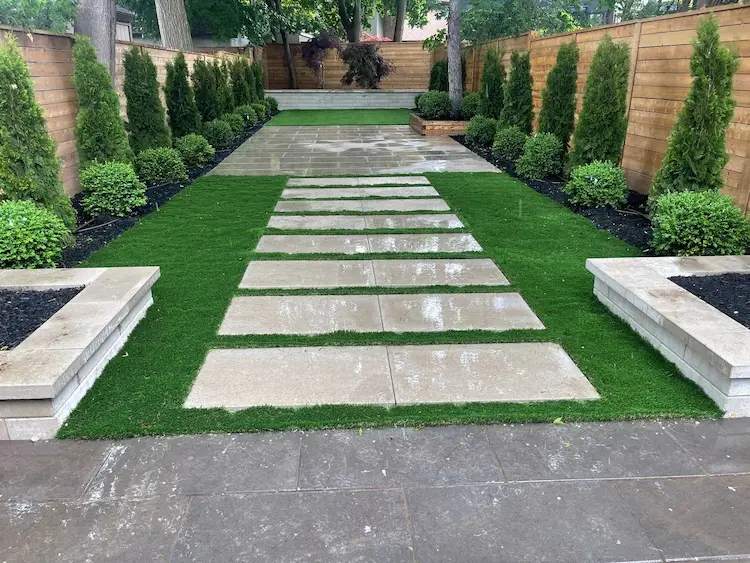
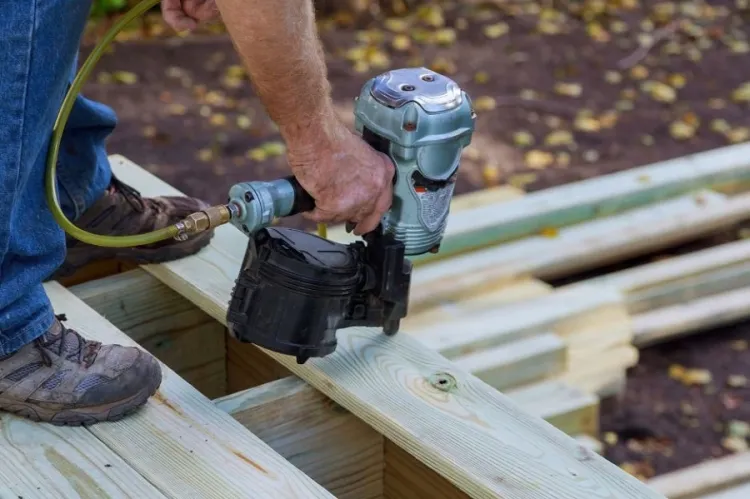
That is where the pros come in. A professionally constructed deck will not only look prettier, but it will also last longer. In the future, buyers will be assured that they are getting a quality feature in the house. Conversely, building a deck yourself may be more expensive in the long run as it may need repairs and replacements before you can enjoy it to its full potential.

How a Professional Deck Adds Value

  • Adds Curb Appeal: A well-designed deck can increase the entire exterior aesthetic of your home.
  • Increases Usability: A custom deck adds square footage, making a home feel much bigger and more functional.
  • Quality Assurance: Potential buyers will more often pay a premium for a house with a quality, long-lasting deck rather than one that looks like it has seen better days.

improve home value professional deck builders

Time and Stress Savings: Because Who Has 6 Months to Build a Deck?

Building a deck, in theory, sounds like a fun weekend project一one that, come week four, has your tools scattered across the yard and your deck amounting to little more than beams and half-nailed boards. Hiring a professional deck builder saves you from this nightmare of a scenario. With their experience and access to the right tools, the pros can complete your deck in a fraction of the time it would take the average DIYer.

Plus, let’s face it there’s something oh-so satisfying about having experts do all the heavy lifting, quite literally. No late-night runs to the hardware store for forgotten screws, no arguments about if you measured properly or not. Just kick back, relax, and watch your dream deck come to life without the headache!

Environmental & Building Code Compliance: Don’t Skip The Legal Stuff

The codes and regulations abound in Toronto; failure to abide by them may mean costly fines and even the issuance of orders to demolish your deck. Professional deck builders know the local codes and regulations inside and out, so your deck will be to code and all permits obtained. At Oaks Home Services, we ensure that every project is brought up to code so you can have peace of mind when using your new deck.

The other nice thing about going with one of these more experienced deck builders is that they may be able to help point you in the direction of more eco-friendly materials and designs. This will help reduce your overall carbon footprint while you are creating your beautiful outdoor space. You will not only have a great deck, but you can feel good about your choice.

Low Maintenance Materials: Deck Builders Make Your Life Easier

Who doesn’t love the idea of a low-maintenance option? Professional deck builders have access to numerous high-quality materials that require less upkeep. Instead of sanding, staining, and sealing your deck every summer, you can enjoy using it more often. Composite decking materials are one of the increasingly popular options for their resilience and low maintenance requirements.

Low-Maintenance Deck Options

  • Composite Decking: Durable, doesn’t rot quickly, and is easy to clean. 
  • Pressure-Treated Wood: Sure, it needs a little maintenance, but it’s an affordable and long-lasting choice. 

how professional deck builders improve home value

Call the Experts – Call Oaks Home Services

A professional deck is an investment in your home’s value and peace of mind. From expert craftsmanship to customized design through increased home value and stress-free construction, hiring professional deck builders like the team at Oaks Home Services is the best way to ensure that those deck dreams really do come true.

Are you ready to increase the value of your home and build the ultimate outdoor oasis? Allow our knowledgeable deck builders to design and craft the deck of your dreams. Contact Oaks Home Services today, and allow us to begin a project that will take your house to the next level and give you an extension of space outside where life’s moments can be enjoyed for years to come. After all, life is too short to have bad decks!

Contact Us For a Free Estimate!