


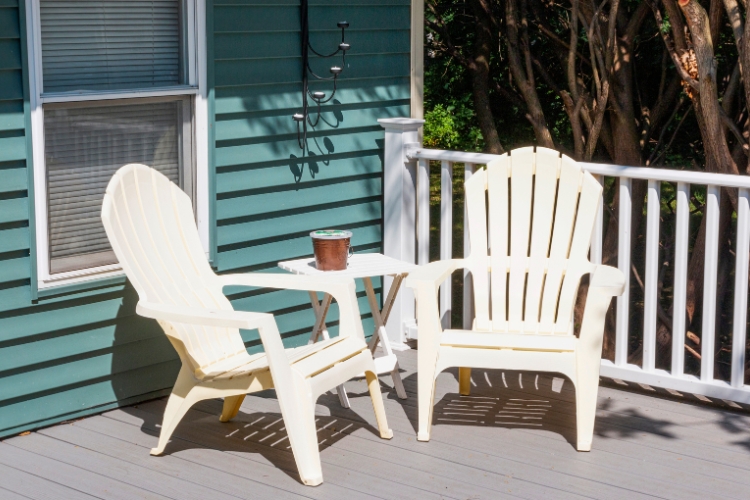
When it comes to creating an outdoor oasis, one of the key decisions you’ll face is choosing the right material for your deck. The debate between composite decking and traditional wood decks has been ongoing for years. Each option has its pros and cons, making the decision a significant one for any homeowner. In this guide, we’ll dive into the world of decks, exploring the attributes of both composite and wood options to help you make an informed choice that suits your needs and preferences.
The Allure of Wood Decks

Timeless Aesthetics
Wood decks have a classic and timeless charm that many homeowners find appealing. The natural look and feel of wood evoke a sense of warmth and familiarity, making it an ideal choice for those who appreciate traditional aesthetics.
Customization and Staining
Wood decks offer an extensive range of customization options. You can choose from various wood types, such as cedar, redwood, or pressure-treated lumber, each with its own unique characteristics. Additionally, wood decks can be stained or painted in various colors to match your home’s exterior or personal preferences.
Environmentally Friendly Options
If environmental sustainability is a priority, wood decks can be an eco-friendly choice when sourced from responsible and certified forests. Many homeowners appreciate the renewable and biodegradable nature of wood.
The Advantages of Composite Decking
Low Maintenance
One of the standout features of composite decking is its low maintenance. Unlike wood decks that require regular staining and sealing, composite decks are designed to withstand the elements with minimal upkeep. This makes them an excellent choice for homeowners who prefer a hassle-free outdoor space.
Durability and Longevity
Composite decking is known for its exceptional durability. It’s resistant to rot, pests, and the wear and tear caused by weather and foot traffic. With proper care, composite decks can last for decades, ensuring you get the most value from your investment.

Wide Range of Styles
Composite decking offers a wide range of styles, colors, and textures, allowing you to achieve a custom look that suits your taste. Whether you prefer the appearance of natural wood or a more contemporary design, you’ll find options to match your vision.
The Battle of Maintenance
The Wood Challenge
Wood decks, while charming, demand more maintenance than composite options. You’ll need to regularly inspect and treat wood for signs of rot, mold, or insect damage. Staining and sealing are typically required every few years to preserve the wood’s integrity and appearance.
Composite Convenience
Composite decks require significantly less maintenance. They don’t need staining, sealing, or painting. Periodic cleaning with soap and water is typically sufficient to keep them looking pristine. This low-maintenance aspect is a significant draw for homeowners with busy lifestyles.
Environmental Considerations
Wood’s Renewable Advantage
Wood decks have the edge when it comes to renewable resources. If you choose wood from sustainably managed forests, you can have peace of mind that you’re supporting responsible forestry practices.
The Eco-Friendly Appeal of Composite
Composite decking has become more environmentally friendly in recent years. Many brands incorporate recycled materials into their products, reducing waste and lessening the demand on new resources. Additionally, the durability of composite decks means they don’t need to be replaced as often as wood decks, further reducing environmental impact.

Budgeting and Cost
The Initial Cost of Wood
The upfront cost of wood decks is often lower than that of composite decks. This can be a significant advantage if you’re working with a limited budget. However, it’s crucial to factor in long-term maintenance expenses.
Composite’s Long-Term Savings
While composite decks may have a higher initial cost, they can lead to long-term savings due to their low maintenance requirements. You won’t need to invest in regular staining, sealing, or costly repairs. Over the years, the savings on maintenance can balance out the higher initial investment.

How Climate in Toronto Affects Your Deck Material Choice
Toronto’s four-season climate plays a major role in determining which decking material will perform best over time. From hot, humid summers to long, icy winters, local weather conditions can significantly impact the durability, comfort, and appearance of your deck.
Freeze–Thaw Cycles. One of the biggest challenges for outdoor structures in Toronto is the constant freezing and thawing that occurs throughout fall, winter, and early spring. Traditional wood decks can absorb moisture and expand during these cycles, potentially leading to warping, cracking, or splintering over the years. Composite decking, on the other hand, is engineered to resist moisture absorption, helping it maintain its shape and stability even during harsh winter conditions.
Moisture and Humidity. Toronto experiences periods of high humidity in the summer and considerable snowfall in the winter. Wood is naturally porous and can absorb moisture unless sealed regularly, making it more vulnerable to rot, mildew, and decay. Composite materials offer better moisture resistance, making them an appealing option for homeowners who want a low-maintenance deck that can withstand year-round weather without frequent upkeep.
Heat and Sun Exposure. Direct sunlight can also influence your material choice. Wood tends to stay cooler underfoot compared to some composite boards, especially darker colors, which can absorb more heat during sunny afternoons. If your deck receives full sun throughout the day, you may want to consider lighter-toned composite options or stick with traditional wood for a more comfortable walking surface.
Winter Wear and Salt Exposure. Snow removal is a fact of life in Toronto, and the tools you use can affect your deck. Wood can be scratched or gouged by metal shovels, while composite boards may be more resistant but can still show wear over time. Additionally, salt used for de-icing can dry out and discolor natural wood, while many composite brands tolerate salt exposure better.
By understanding how Toronto’s climate interacts with different decking materials, you can choose an option that remains beautiful, safe, and structurally sound year after year—no matter what the weather brings.

Practical Considerations Homeowners Should Keep in Mind
While aesthetics, maintenance, and cost are often the first factors homeowners consider, there are several practical day-to-day aspects that play an equally important role when choosing between wood and composite decking. These details can significantly affect how comfortable, safe, and long-lasting your deck will be.
Comfort Underfoot. How a deck feels underfoot is more important than many expect. Traditional wood typically stays cooler in direct sunlight and offers a naturally warm, familiar texture. Composite decking, especially darker shades, can retain more heat during the summer months. This doesn’t make it a deal-breaker, but it’s worth considering if your deck gets full afternoon sun or if you plan to spend a lot of time barefoot outdoors.
Slip Resistance and Everyday Safety. Moisture, rain, or morning dew can make any deck surface slippery, but different materials handle this challenge in different ways. Many modern composite boards feature textured surfaces designed to improve traction, while wood may offer solid grip when maintained properly. However, aging wood can become slick if moss or mildew begins to develop, making regular upkeep essential for safety.
Scratch and Stain Resistance. If you have children, pets, or enjoy outdoor dining, scratch and stain resistance becomes a real factor. Wood can be sanded and refinished when scratches occur, allowing it to regain its original appearance. Composite decking resists stains and fading well, though deep scratches on certain types may be more visible. Thinking about how you use your outdoor space can help guide your decision.
Repair and Replacement. Decks inevitably face wear over time, so it’s wise to consider how easy each material is to repair. Wood offers the advantage of simple board replacement and refinishing. Composite boards are durable and long-lasting, but matching exact colors and textures several years down the road can sometimes be challenging as product lines evolve.
By taking these everyday factors into account, you’ll gain a clearer understanding of which decking material aligns best with your lifestyle and how you plan to enjoy your outdoor space.
Finding Your Perfect Deck
In the end, the choice between composite decking and traditional wood decks comes down to your priorities, lifestyle, and preferences. If you value the timeless aesthetics of wood, are committed to regular maintenance, and prefer a lower upfront cost, a wood deck may be your best choice. On the other hand, if low maintenance, long-term durability, and a wide range of style options are your priorities, then composite decking might be the ideal fit.
In the grand debate of composite vs. wood, there’s no one-size-fits-all answer. Consider your unique needs and carefully weigh the pros and cons of each option. No matter your choice, both composite and wood decks can offer an outdoor oasis where you can relax, entertain, and create lasting memories with family and friends.
Reach Out to the Experts
Whether you decide on a composite or wood deck, Oaks Home Service is here to assist you in creating the perfect outdoor space for your home. Our expert deck builders in Toronto have the skills and experience to bring your vision to life. Get in touch with us for a free estimate where we can discuss your project and get started on the path to your dream deck.
Contact Us For a Free Estimate!

